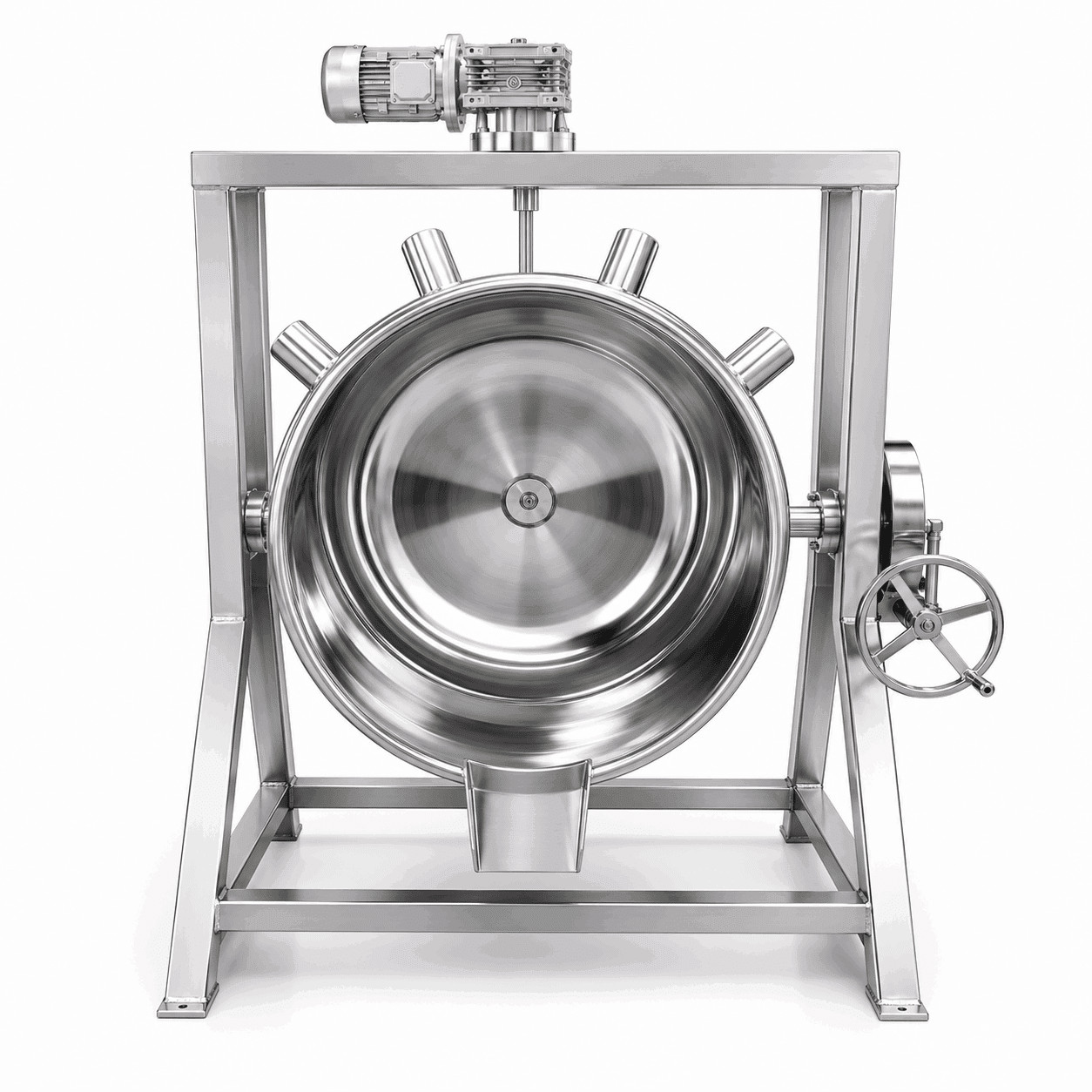
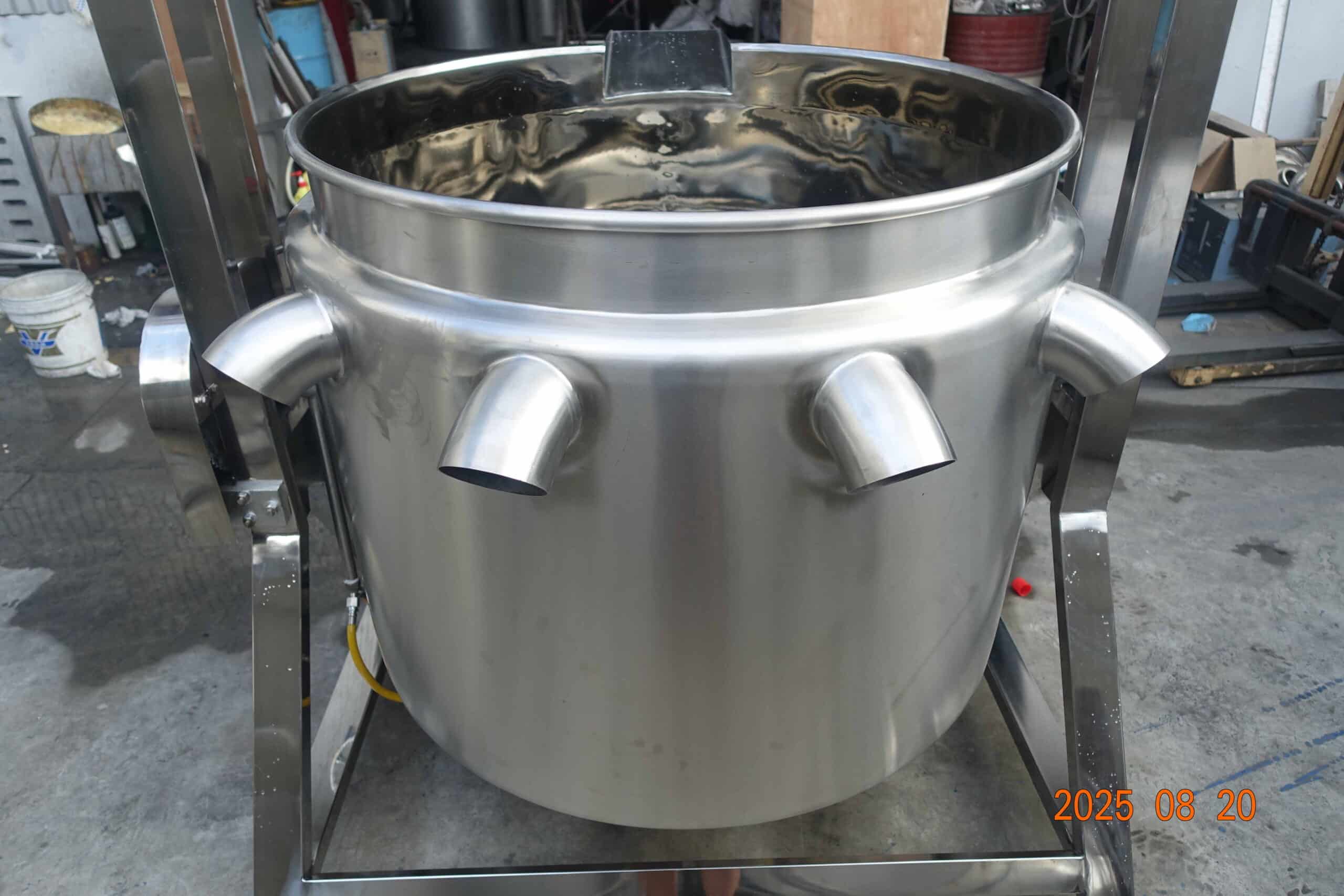
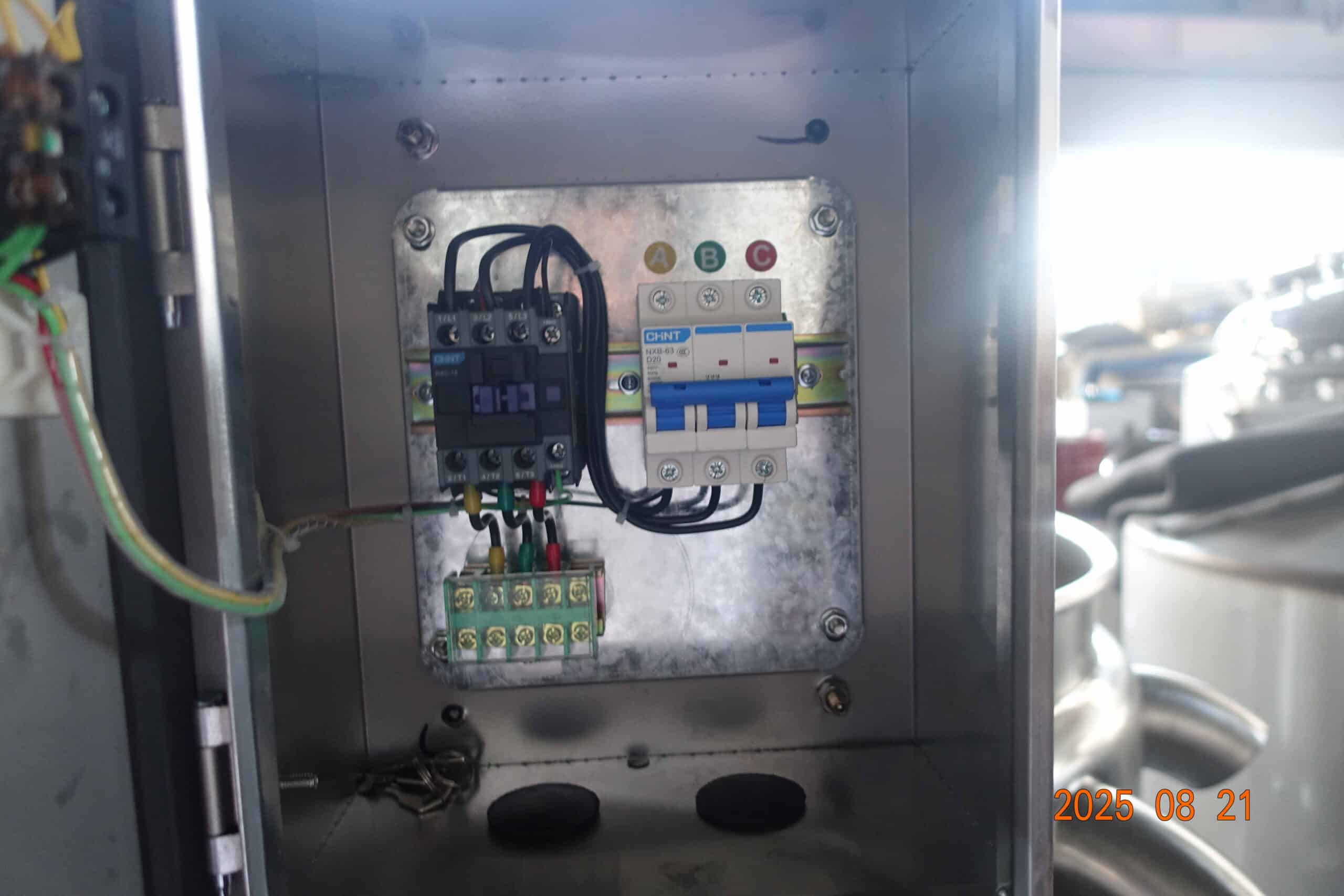
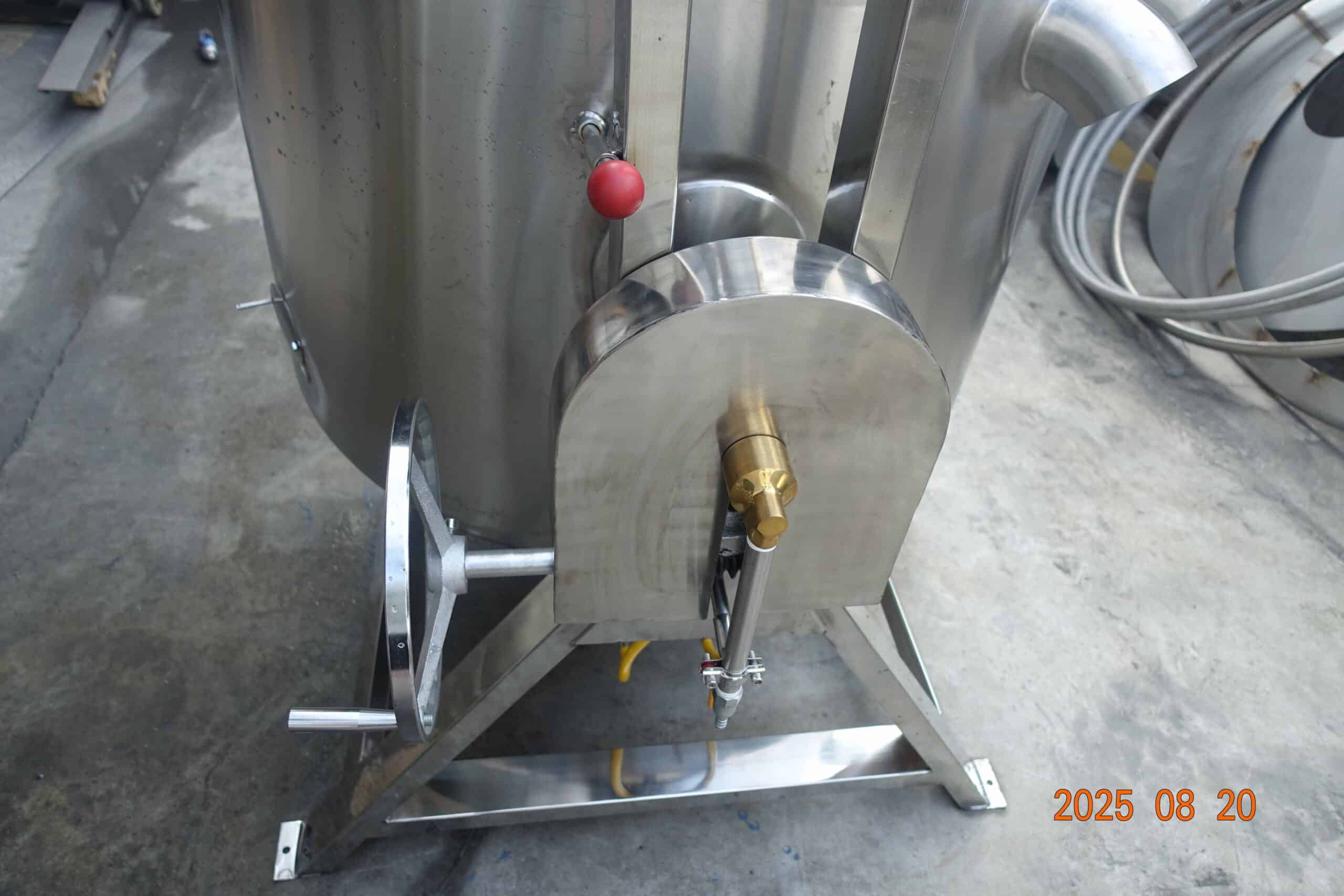
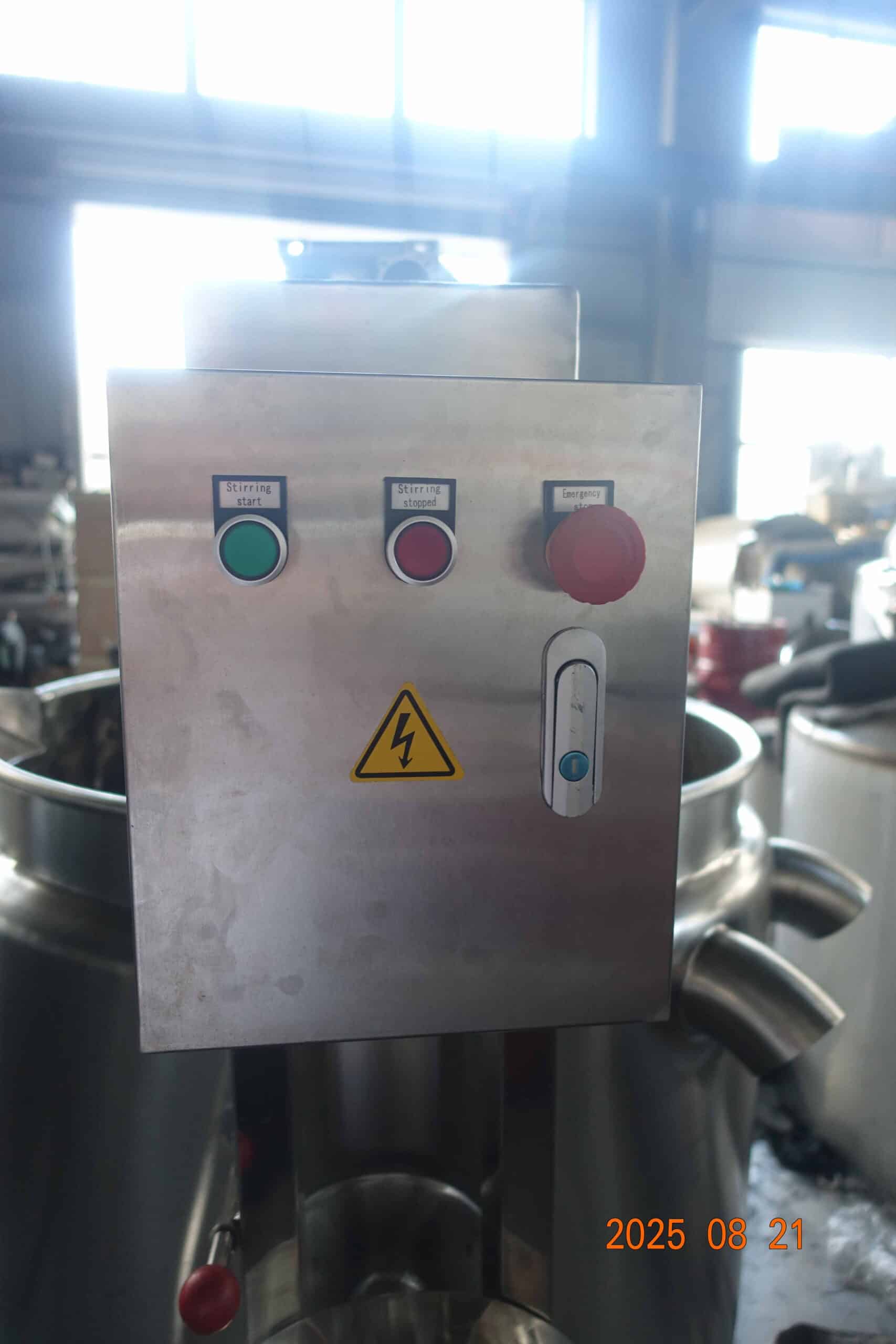
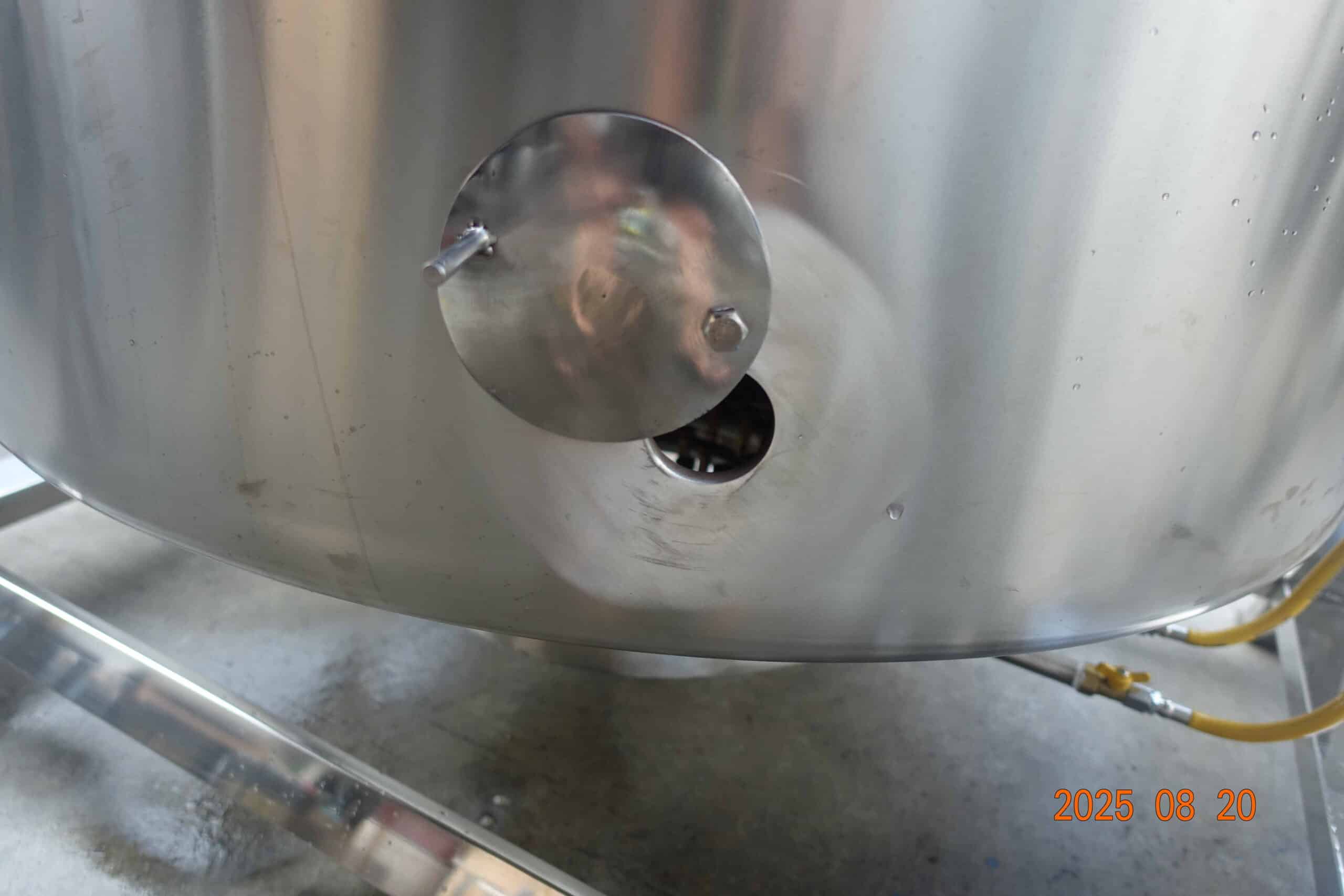
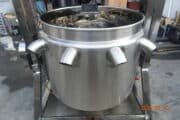
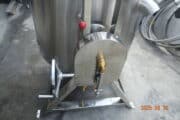
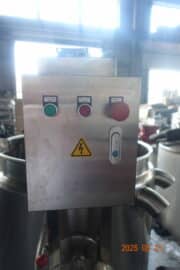
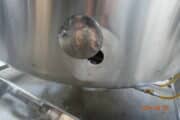
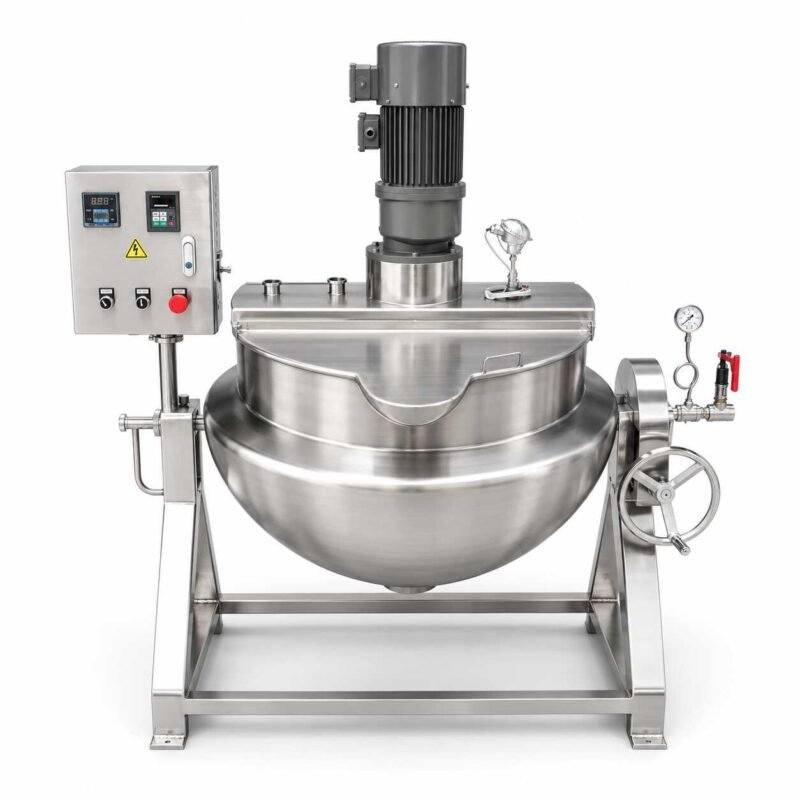
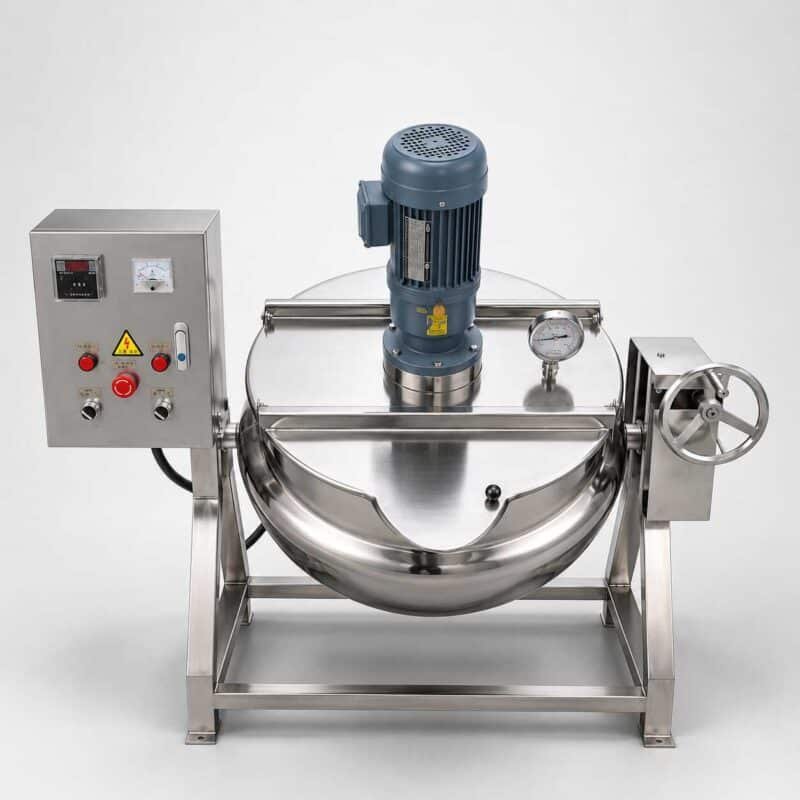
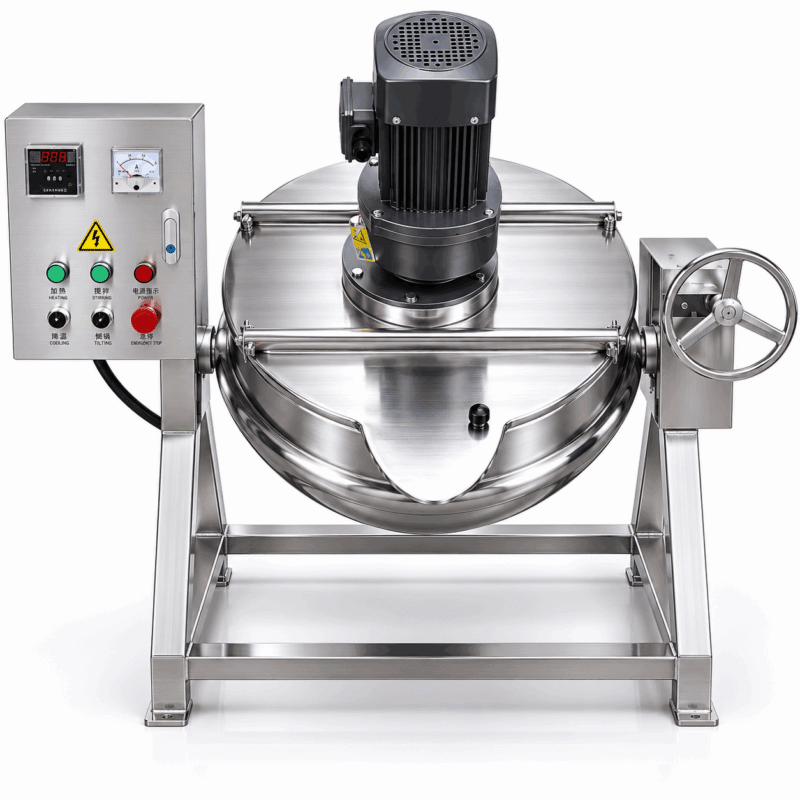
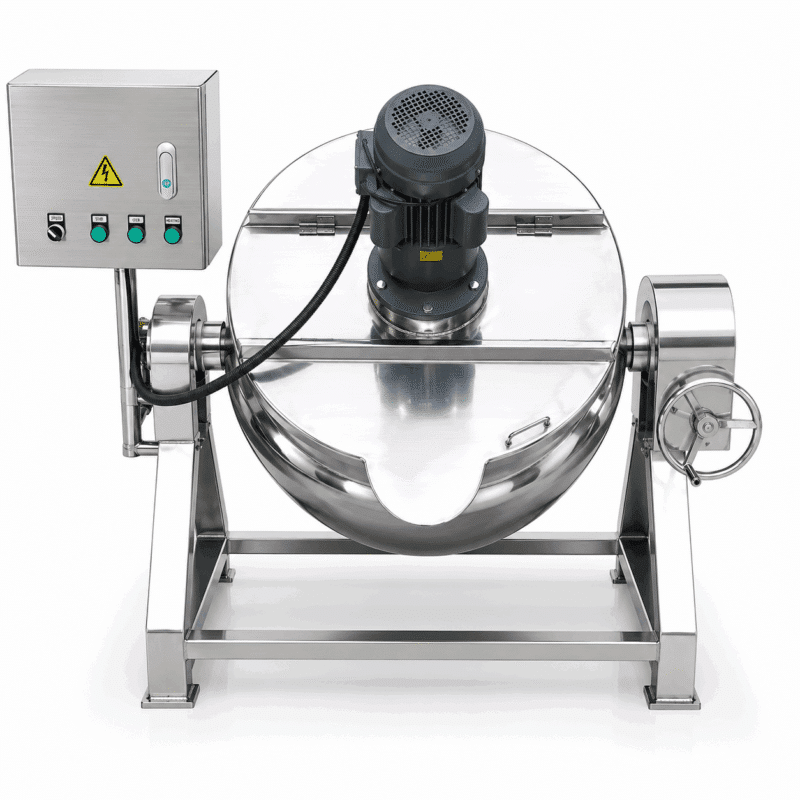
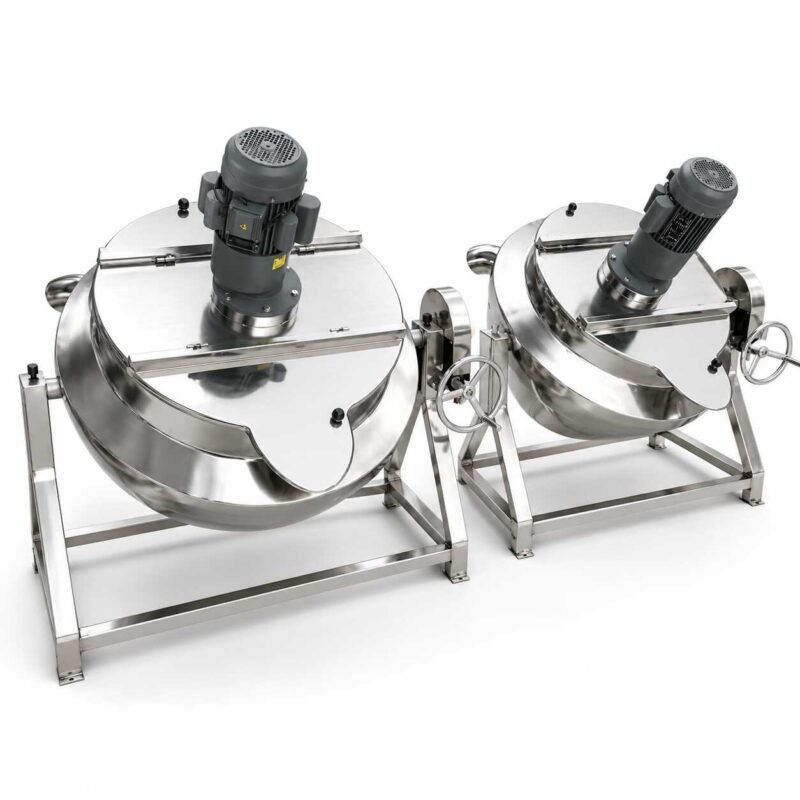
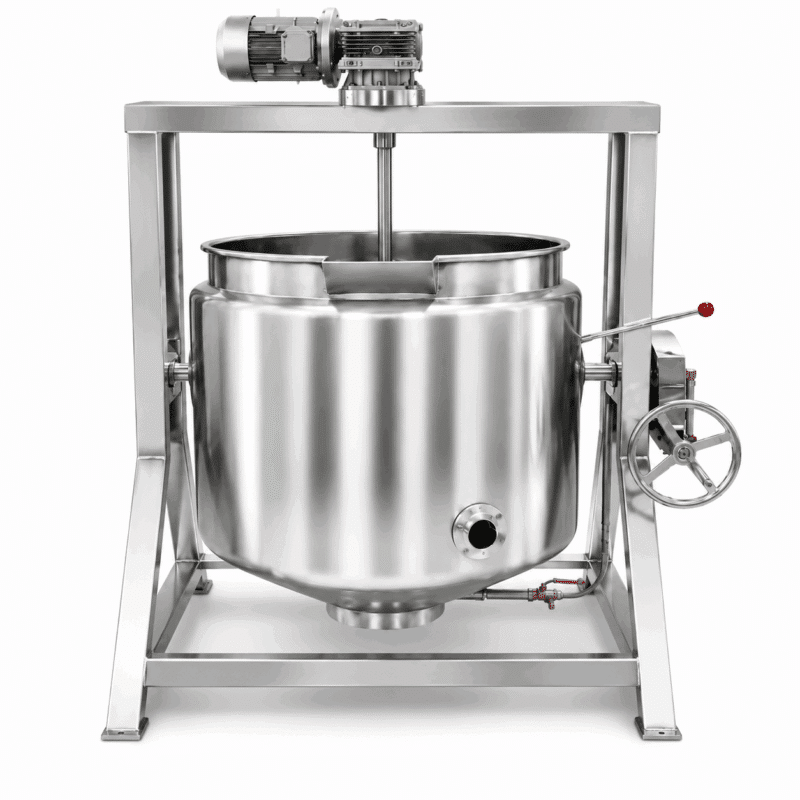
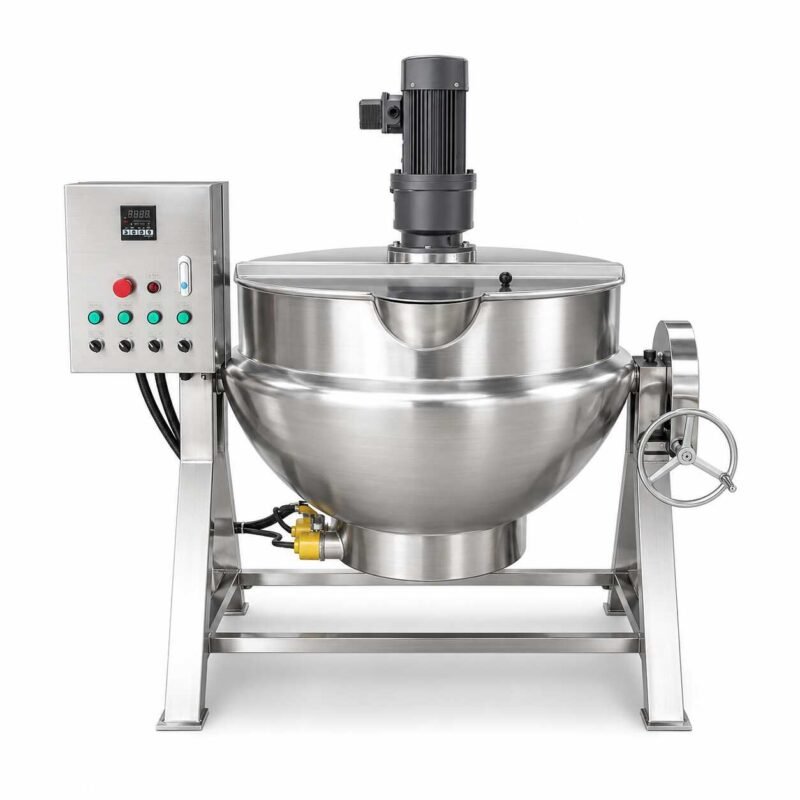
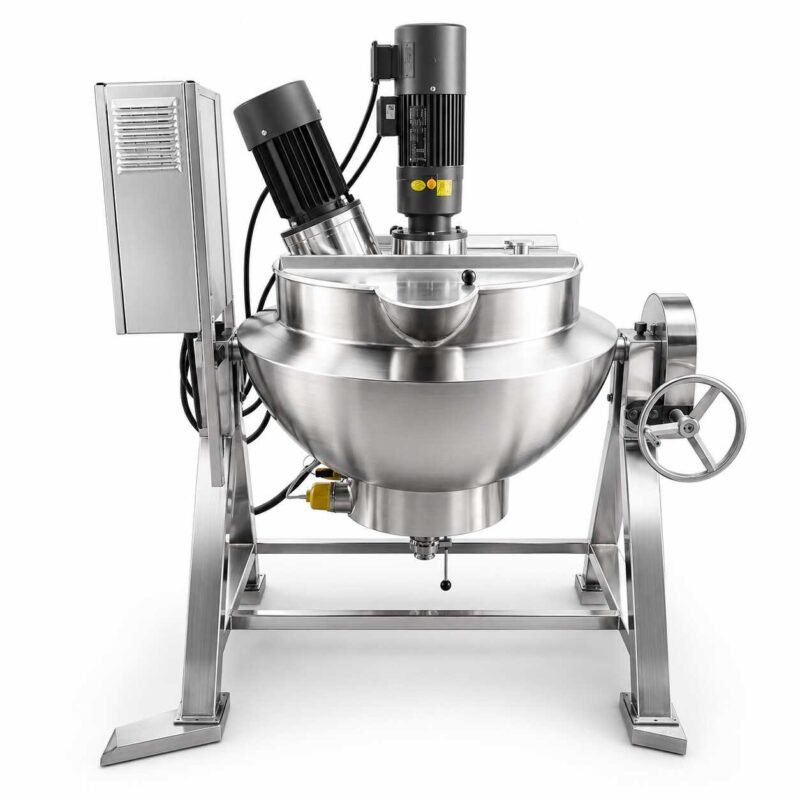
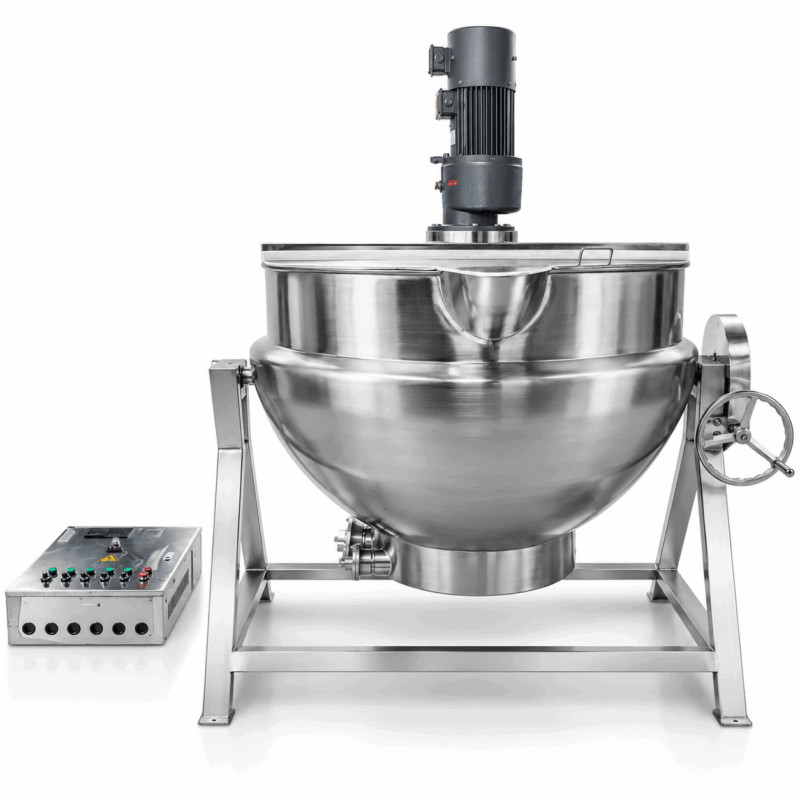
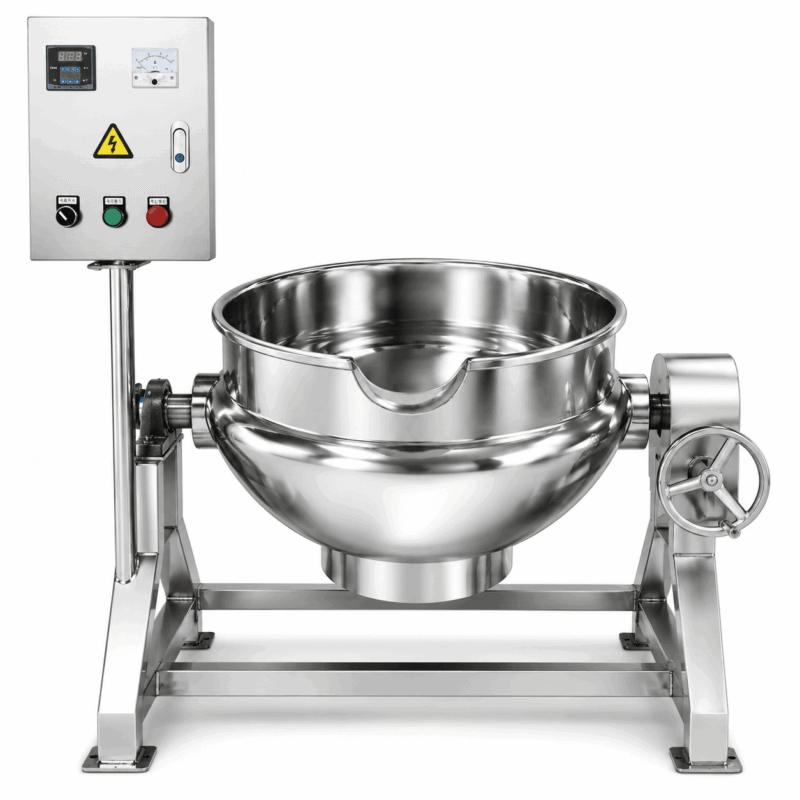
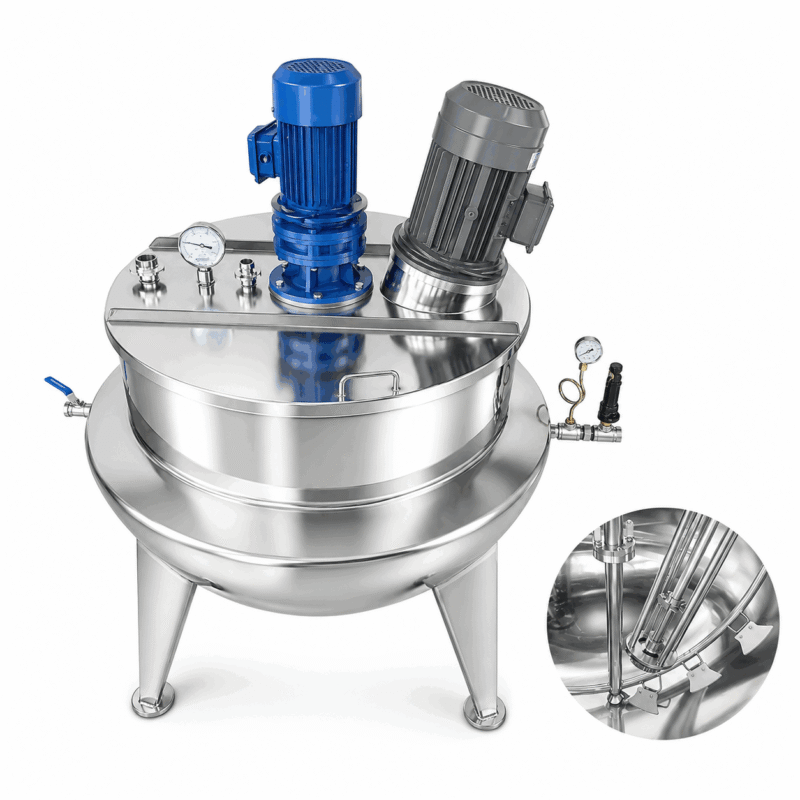
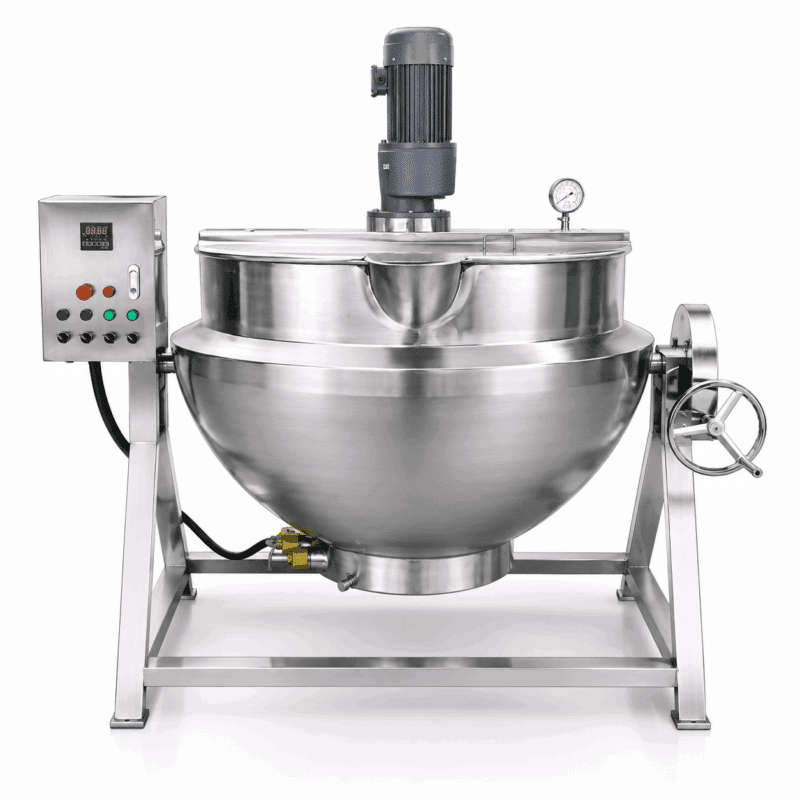
Available heating configurations
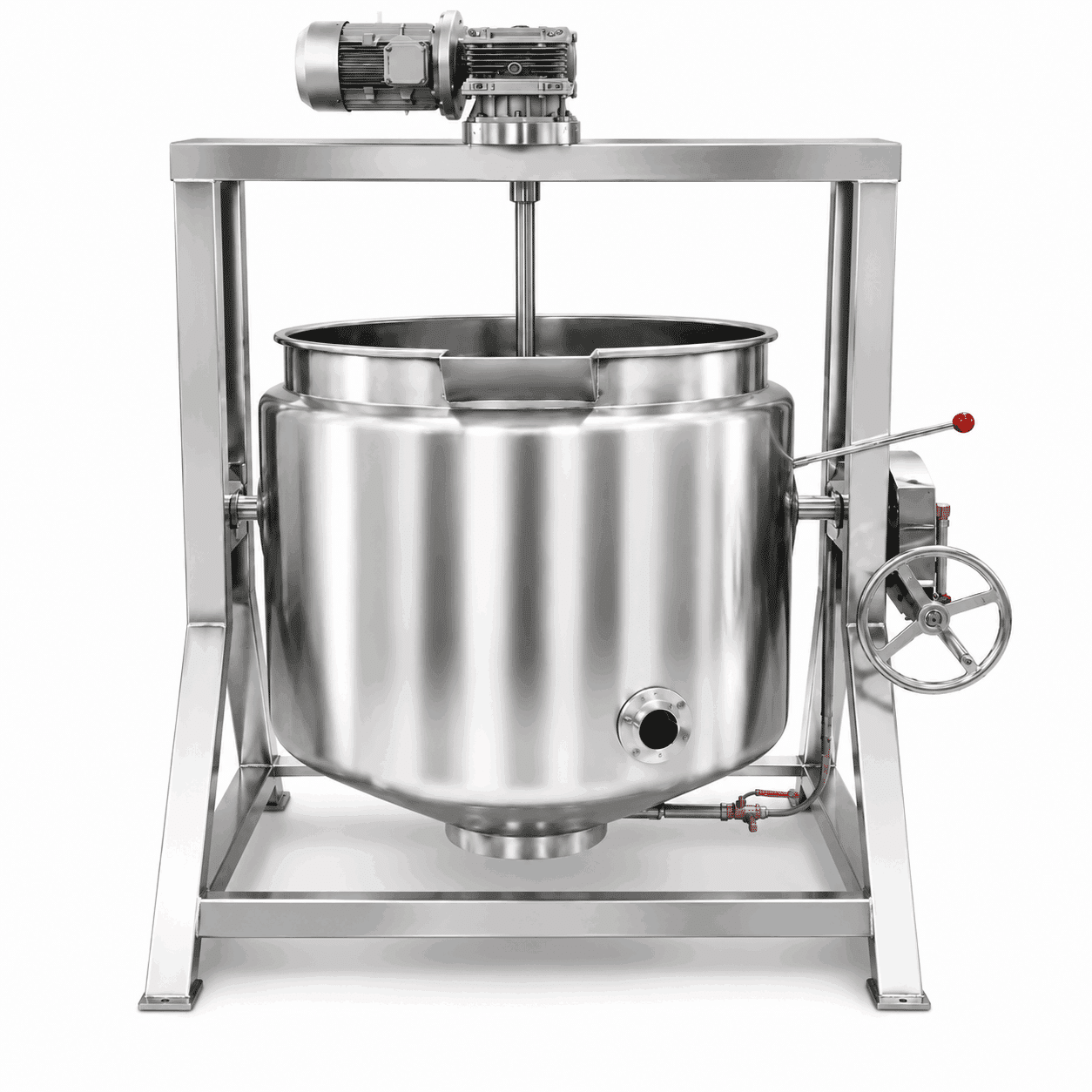
Although the gas model is the most requested in many factories due to energy availability and heating speed, these kettles can also be manufactured with electric or steam systems. Each option has real advantages and operational limitations that buyers often discover too late.
Gas heating
The gas system offers rapid thermal recovery and lower energy costs in regions where industrial gas is economical. In intensive production, this is especially noticeable during shift startups.
However, temperature control is usually not as precise as with steam. When the operator works with sensitive products — for example, sugary mixtures or dairy bases — the risk of localized caramelization increases if there is no good agitation.
- Rapid thermal response
- Lower operating cost in many plants
- Relatively simple maintenance
- Higher risk of hot spots
- Requires good industrial ventilation
Electric heating
The electric version is mainly used in plants where there is no gas installation or where internal regulations restrict open fuels.
Thermal stability is better. The problem arises with high electrical consumption. At capacities of 500 liters, many installations underestimate the required electrical load and end up with voltage drops or heating cycles that are too slow.
Steam heating
In continuous industrial production, steam remains technically the most efficient option for uniform temperature control. Thermal transfer is more homogeneous and significantly reduces product burning at the bottom.
The drawback is the infrastructure. If the plant does not have a boiler, water treatment, and a stable steam network, the initial cost becomes unattractive.
Construction in stainless steel 304 and 316L
Most industrial kettles of 500 liters are made of AISI 304 stainless steel. It is sufficient for standard food processes, conventional CIP cleaning, and daily operation in normal environments.
When processing acidic, salty products or with aggressive chemical sanitization cycles, 316L steel offers greater resistance to corrosion and surface pitting.
Many buyers believe that 316L is always mandatory. This is not the case. In reality, using 316L for simple processes can increase costs without providing a significant operational advantage.
On the other hand, saving too much on material also causes problems. Some economical kettles use insufficient thicknesses or poor internal finishes that end up producing thermal deformations and hard-to-clean areas.
Common industrial applications
Food industry
- Production of sauces and concentrates
- Cooking of jams and fruits
- Processing of dairy products
- Syrups and sugar mixtures
- Industrial soups and broths
Chemical and cosmetic industry
They are also used in the manufacture of creams, gels, emulsions, and viscous products where controlled heating is important.
In these applications, the quality of the agitator is usually more critical than the thermal power.
Operational aspects that are usually overlooked
In the plant, problems rarely arise from insufficient capacity. Most failures stem from poorly evaluated design details.
Inadequate agitation
A common mistake is choosing agitators that are too simple for dense products. When the mixture does not circulate properly, thermal accumulations appear at the bottom even with a double jacket.
This ends up affecting flavor, color, and consistency.
Complicated cleaning
Poorly polished internal welds generate residue accumulation. After a few months, dark areas, microbiological contamination, and excessive cleaning times appear.
In food processes, the internal finish matters more than many suppliers admit.
Oversized burners
More power does not always mean greater efficiency. An excessive burner can cause thermal shocks and unnecessary fuel consumption.
In delicate products, progressive control is much more important than maximum power.
Maintenance and service life
A well-built industrial kettle can operate for many years with relatively basic maintenance.
- Periodic inspection of valves and connections
- Regular cleaning of burners
- Review of mechanical seals of the agitator
- Corrosion control in welded areas
- Verification of thermal insulation
In gas equipment, preventive maintenance of the combustion system prevents significant losses in thermal efficiency.
In steam models, boiler water quality directly influences the lifespan of the thermal jacket.
Real considerations before purchasing
Many buyers only compare price and nominal capacity. This is often a mistake.
The type of product, viscosity, cleaning frequency, energy availability, and operator experience greatly affect the daily performance of the equipment.
It is also advisable to review:
- Actual thickness of stainless steel
- Type of sanitary welding
- Agitator design
- Maintenance access
- Local availability of spare parts
- Actual energy consumption
In industrial operation, reliability ends up being more important than any attractive commercial specification.