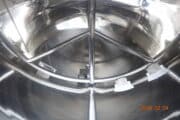
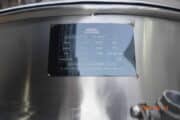
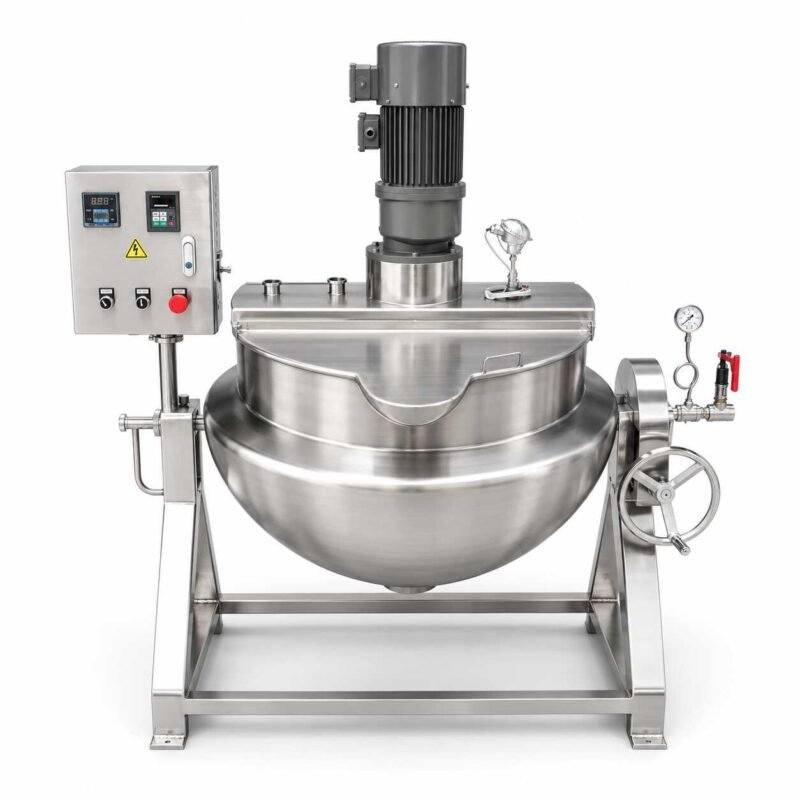
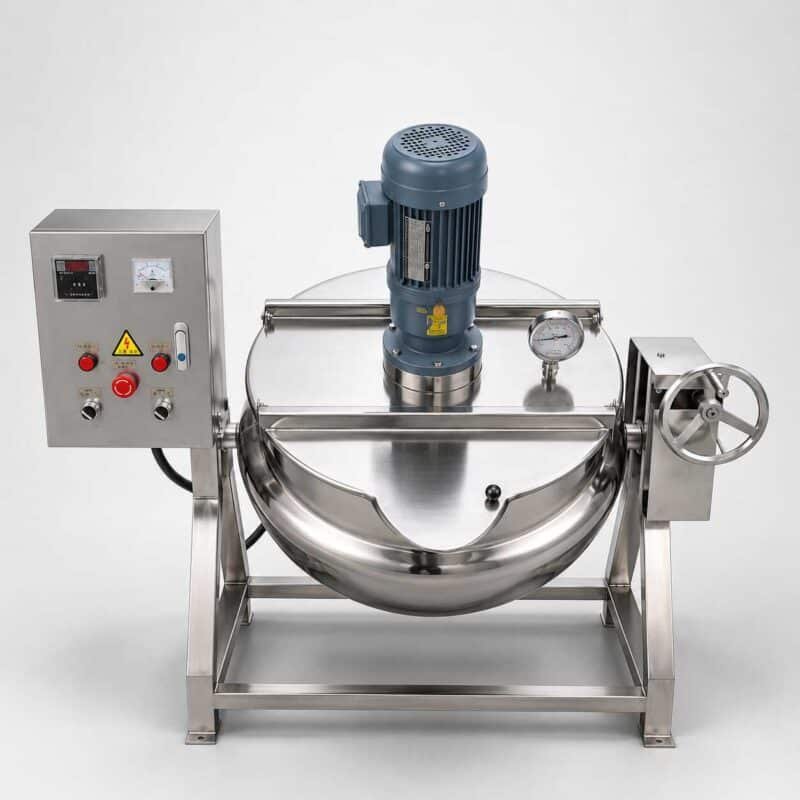
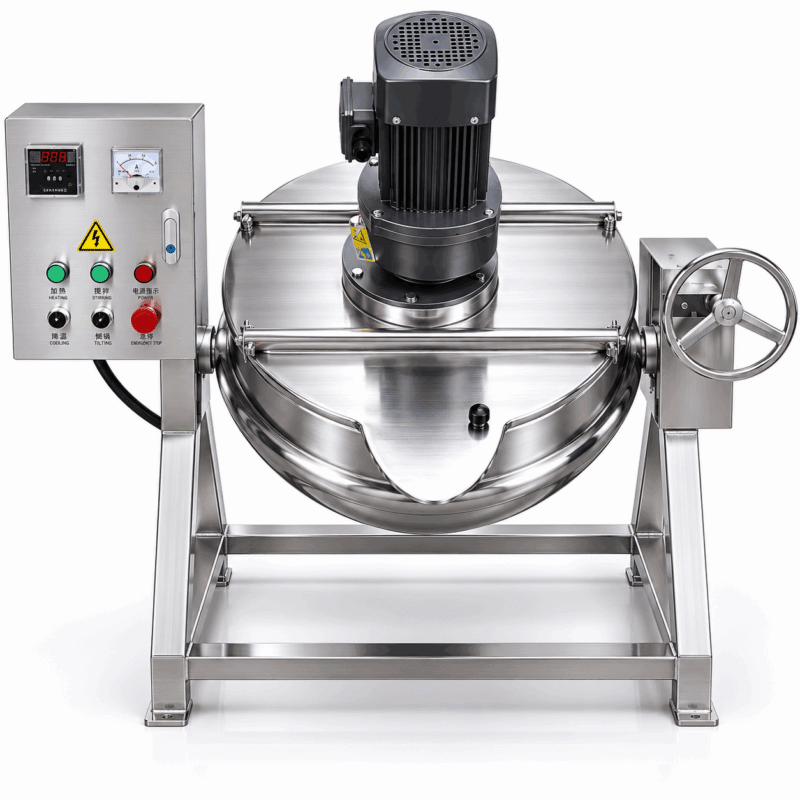
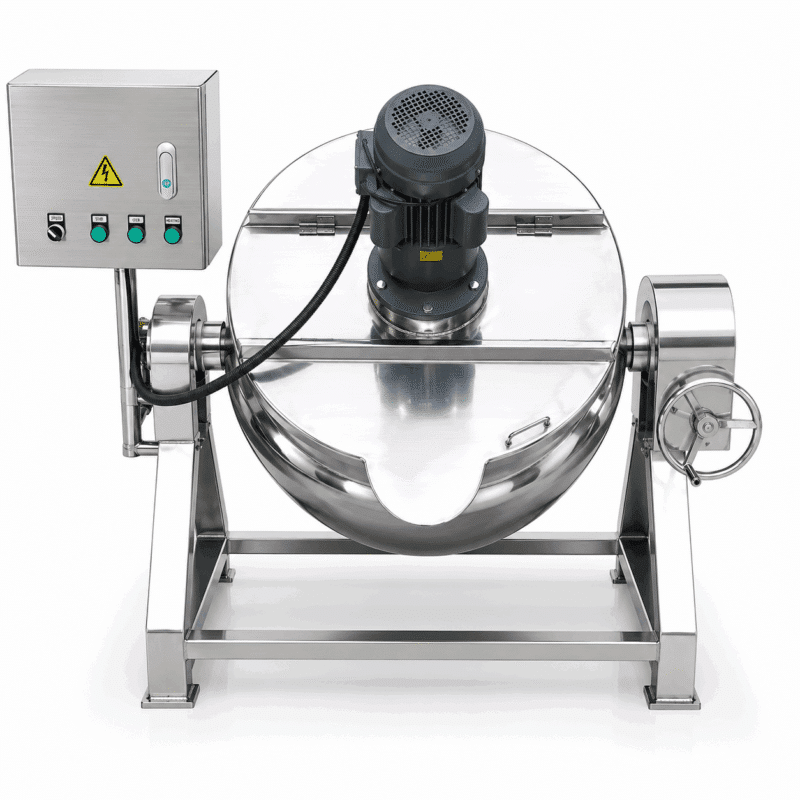
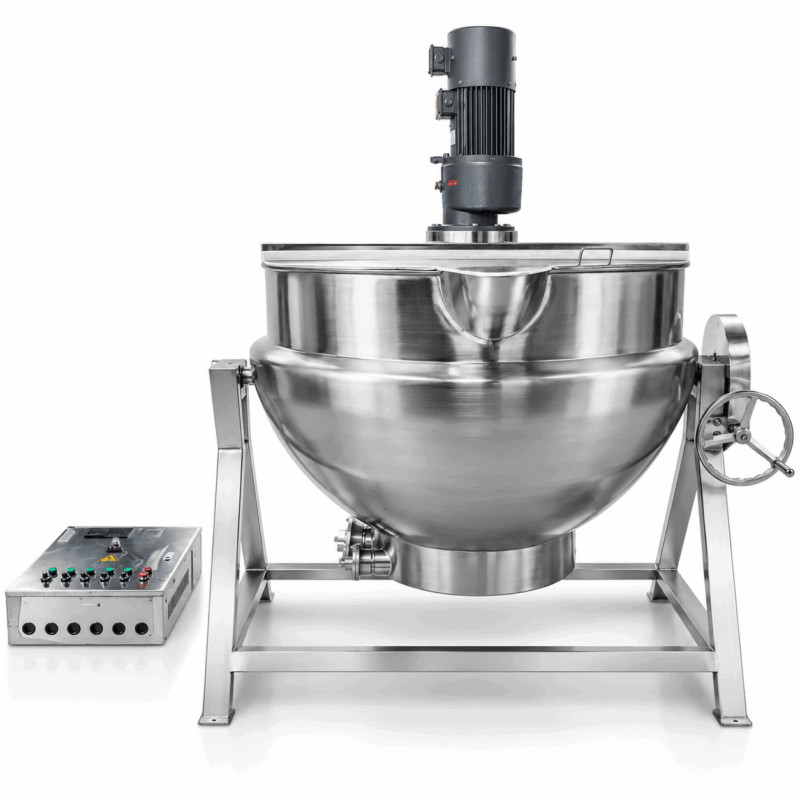
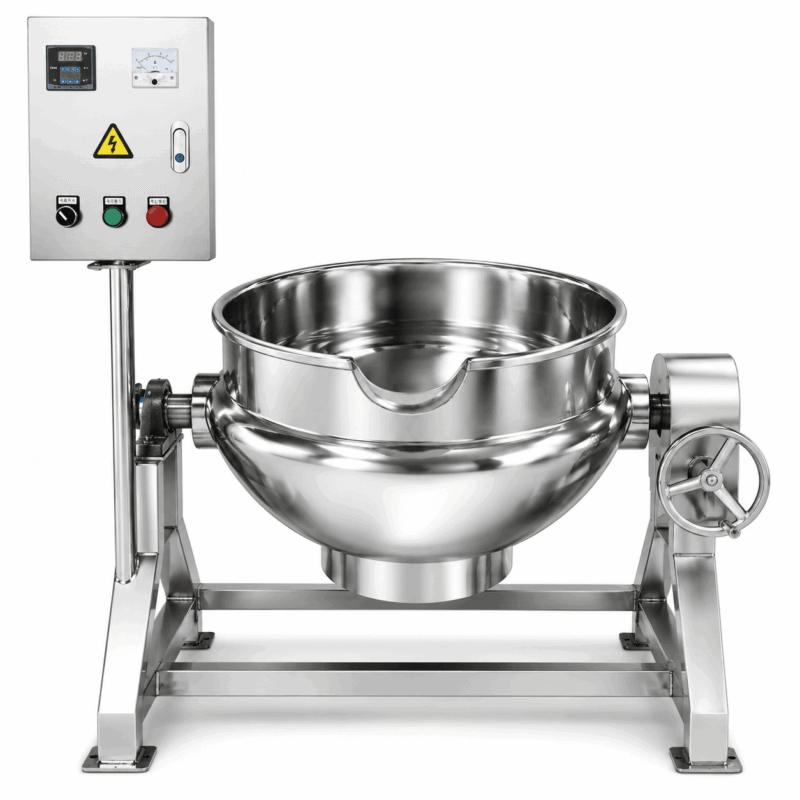
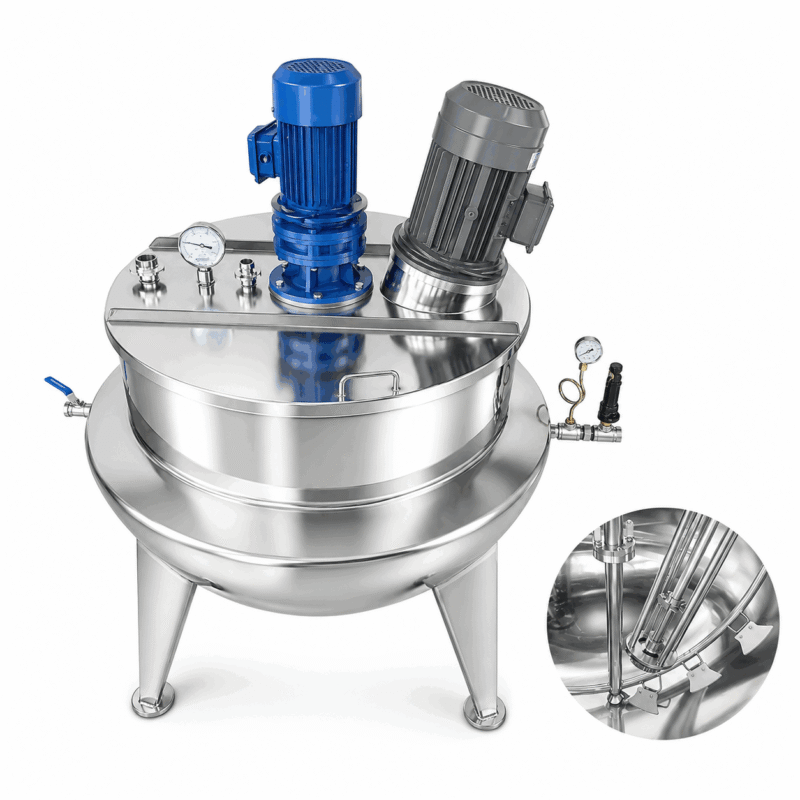
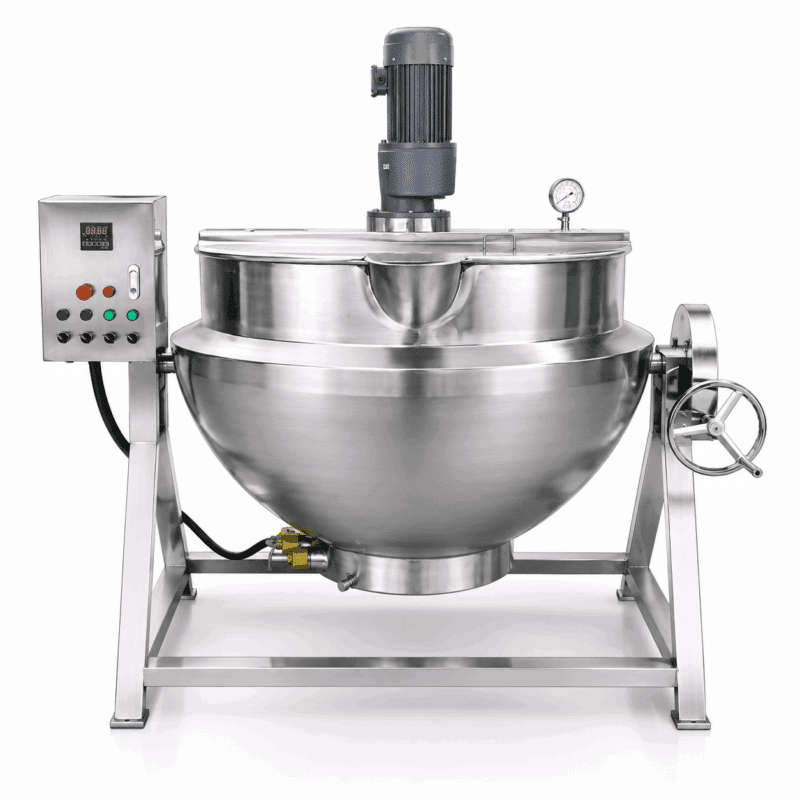
Manufacturing material: stainless steel 304 and 316L
The choice between stainless steel 304 and 316L depends more on the type of product processed than on the initial budget. 304 performs adequately for soups, sauces, standard dairy products, and low chemical aggressiveness solutions. However, in lines where salt, organic acids, or frequent CIP cleaning with alkaline chemicals are present, 316L offers a considerably longer service life.
Practical differences between 304 and 316L
- 304: Lower initial cost, good overall resistance, and quick availability.
- 316L: Better resistance to chloride corrosion and acidic products.
- 316L: Welds more resistant to contamination in permanently humid environments.
- 304: Sufficient for conventional food processes with low aggressiveness.
Many buyers assume that 316L is always necessary. This is not the case. In simple production lines, the return on investment may not justify the additional cost. But when internal pitting or metallic contamination problems arise, the error usually lies in underestimating the working environment.
Heating options
Electric heating
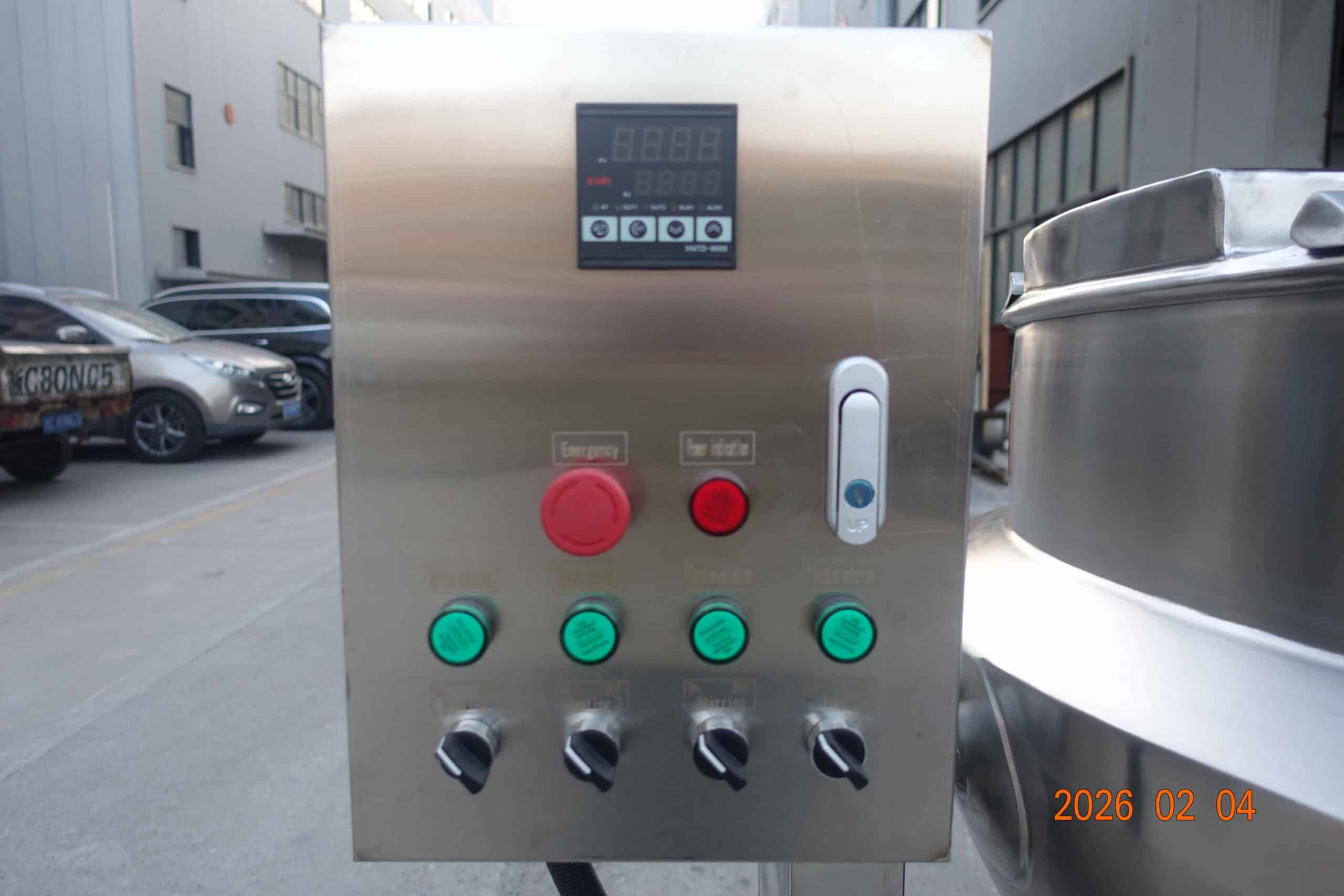
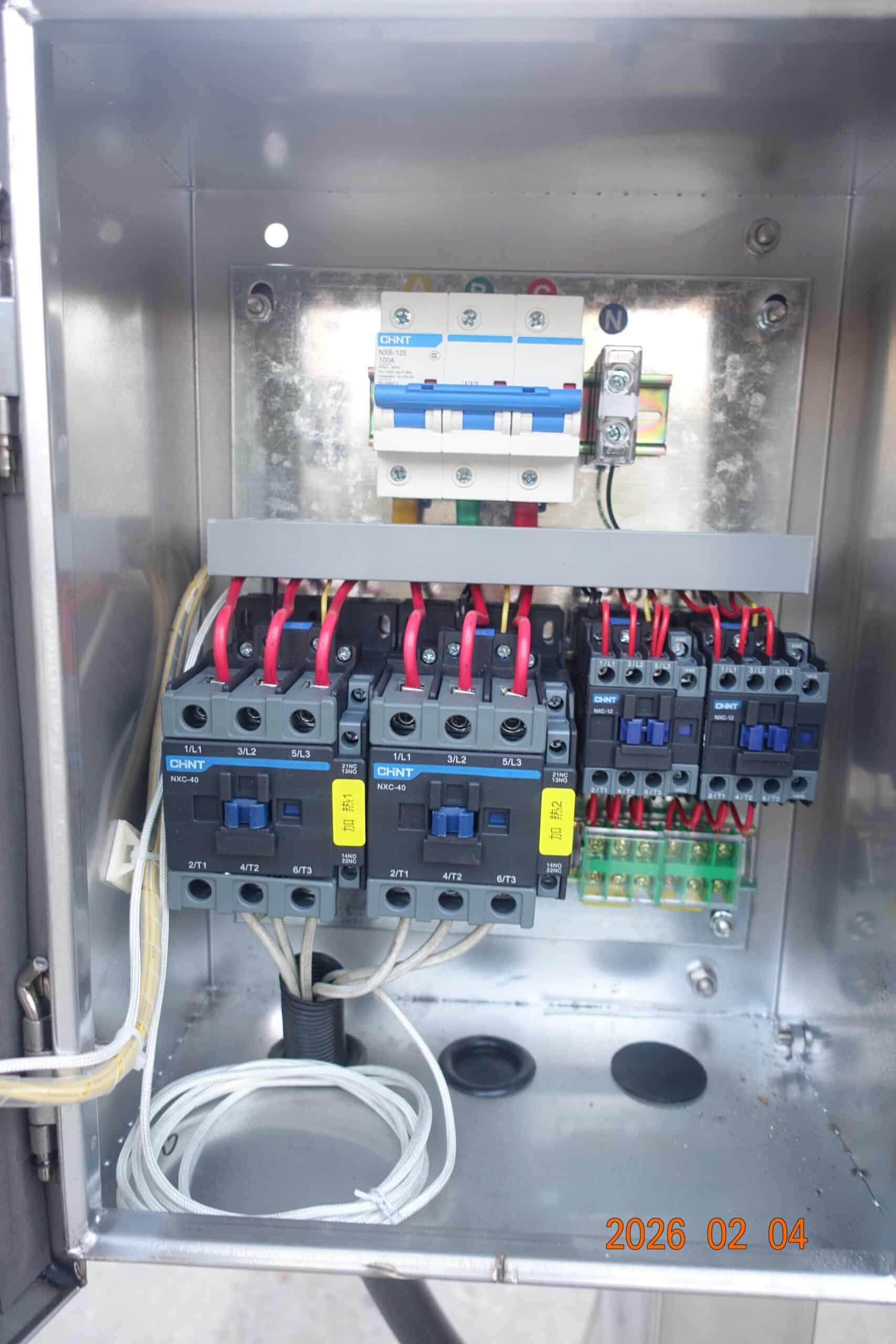
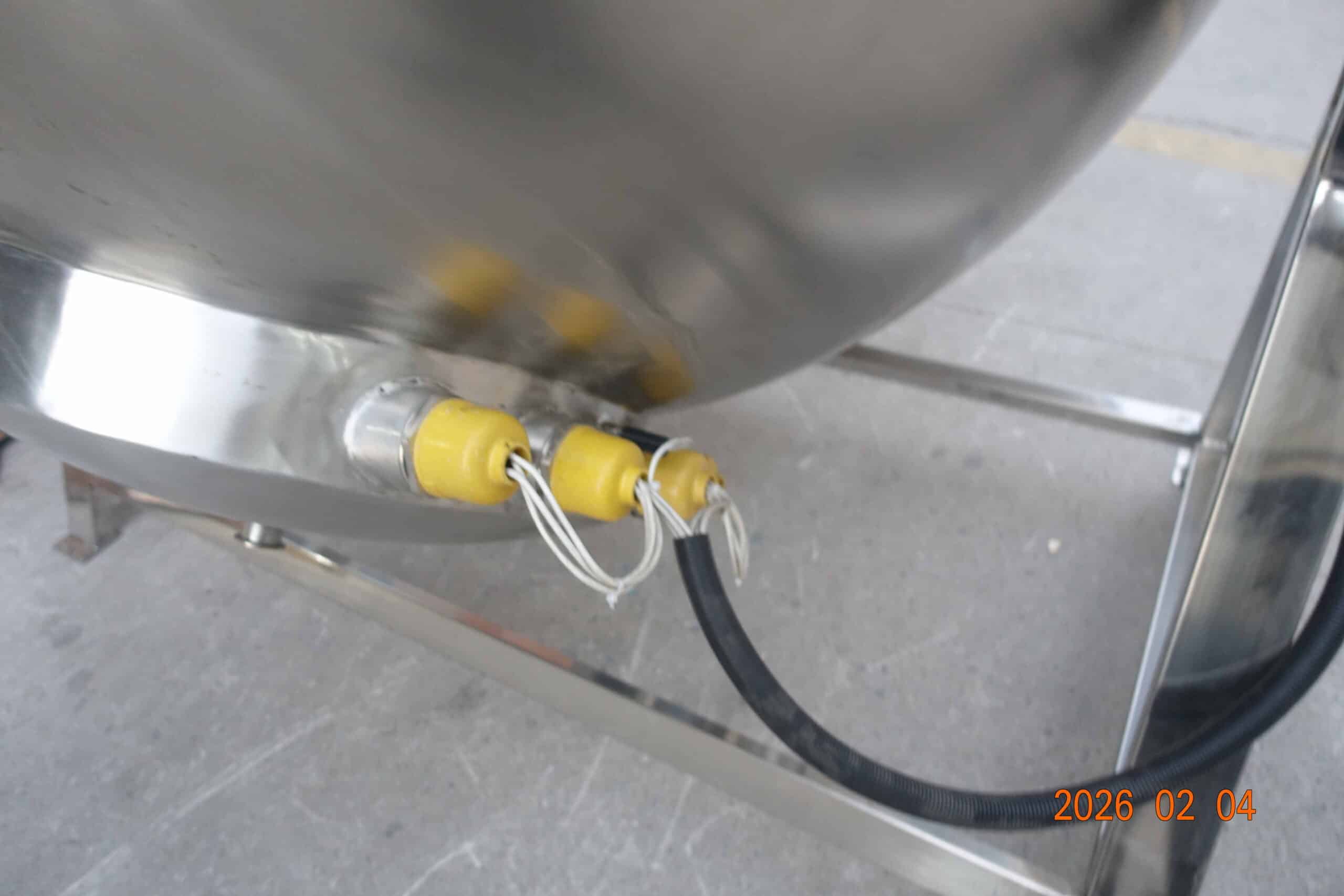
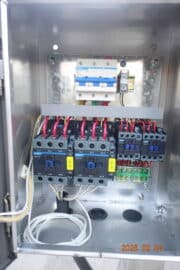
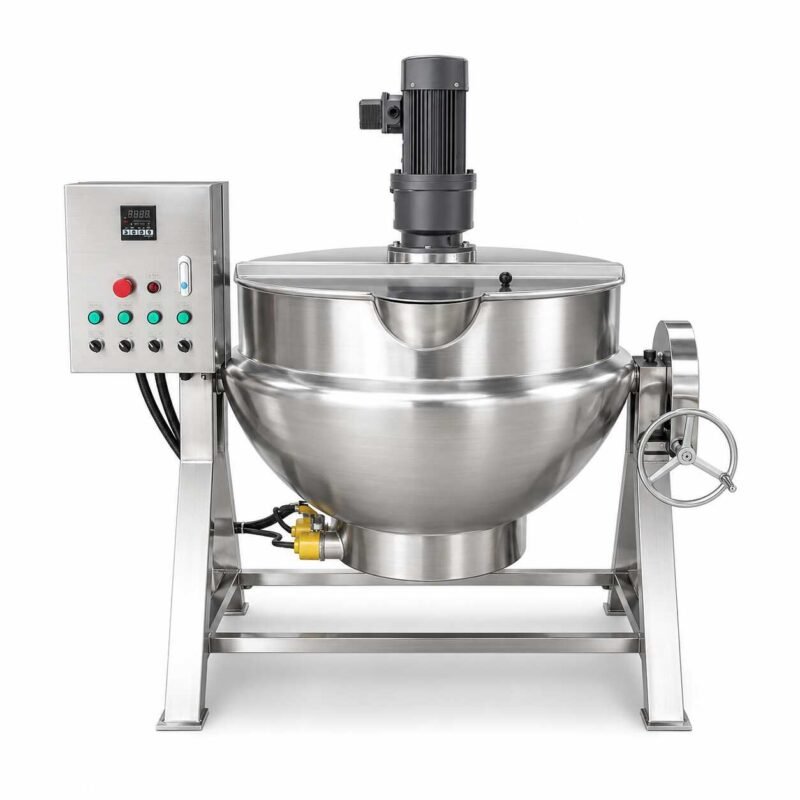
Electric kettles offer stable thermal control and simple automation via PLC or PID controllers. They are common in plants with combustion restrictions or where temperature precision is required for sensitive recipes.
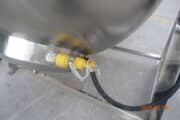
The drawback appears in facilities with limited electrical supply. A 900-liter kettle with high-power resistors may demand a considerable electrical infrastructure, especially during cold starts.
Additionally, if the resistors do not operate fully submerged in the thermal medium, their service life decreases rapidly.
Gas heating
The gas system remains common in high-production food industries due to its rapid heating and lower operating costs in certain regions. In intensive cooking processes, such as thick sauces or concentrated broths, the thermal response is usually more aggressive than in electric systems.
However, hot spots also appear more easily if the bottom design does not distribute the flame properly.
In poorly calibrated equipment, partial burns are commonly observed in products rich in sugar or starch.
Steam heating
In industrial plants with centralized boilers, steam continues to be the most efficient solution for continuous processes. Indirect heating through a steam jacket provides uniform thermal transfer and significantly reduces the risk of localized overheating.
The main operational advantage is stability.
It also facilitates faster cleaning because it reduces internal product carbonization.
The problem arises when the steam quality is inadequate. Contaminated condensates or unstable pressure directly affect thermal efficiency and accelerate internal corrosion of valves and lines.
Common industrial applications
- Production of sauces and concentrates
- Dairy processing
- Cooking of jams and syrups
- Preparation of industrial soups
- Liquid pharmaceutical processes
- Chemical thermal mixing
- Manufacturing of cosmetic products
In food lines, the viscosity of the product largely defines the necessary configuration. Many purchasing errors occur because only volume is selected without considering density, agitation capacity, or the product's thermal behavior.
Mechanical configurations and operation
Agitation systems
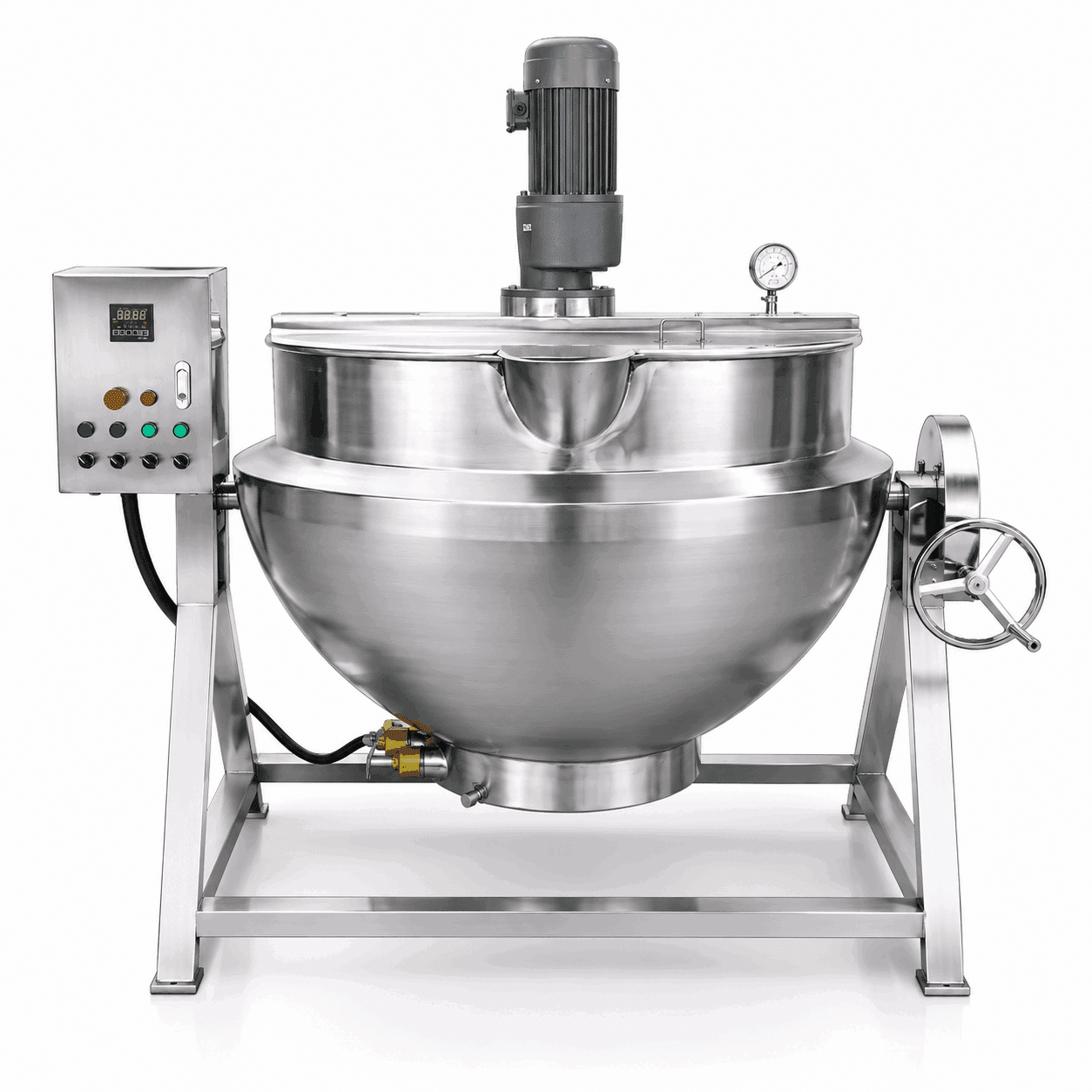
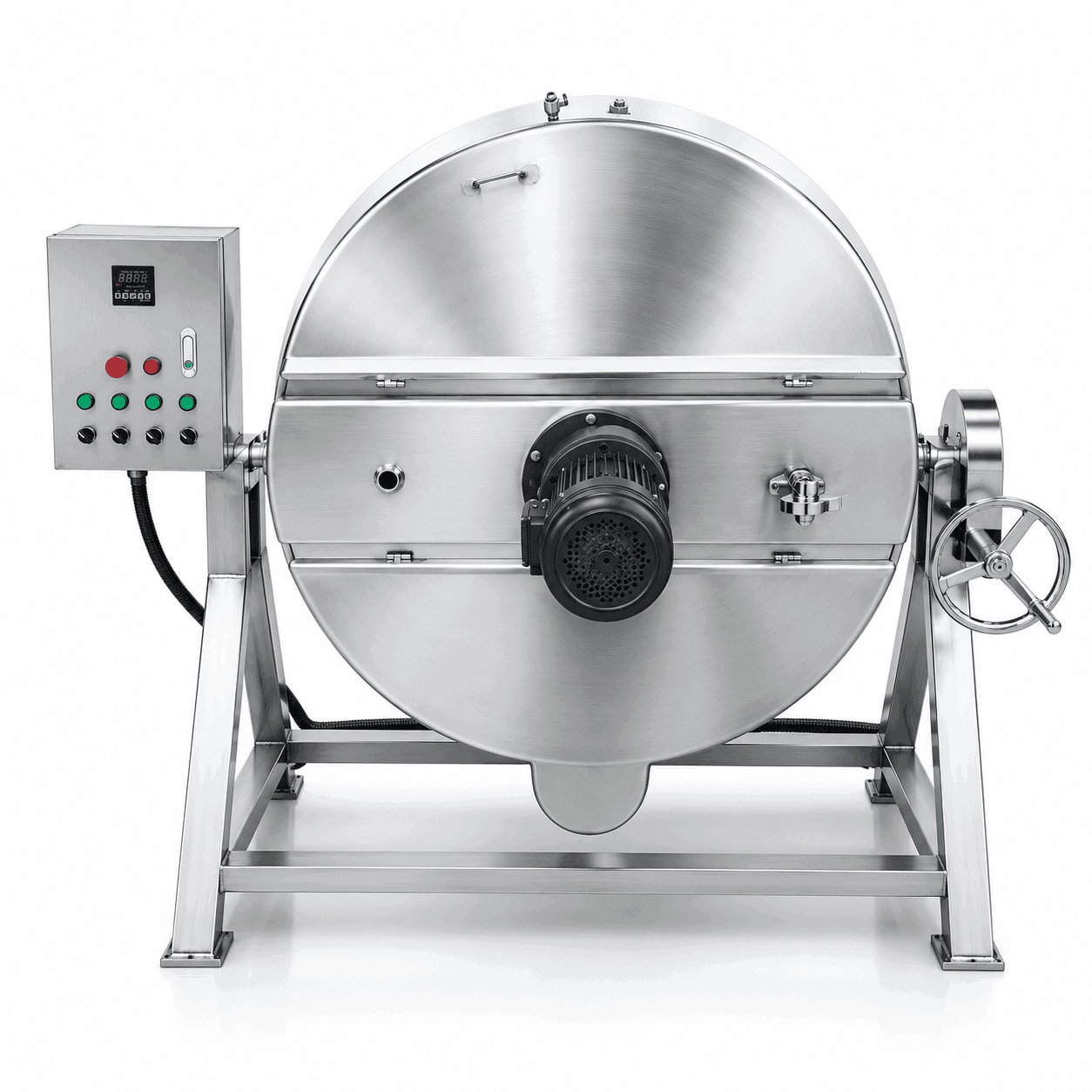
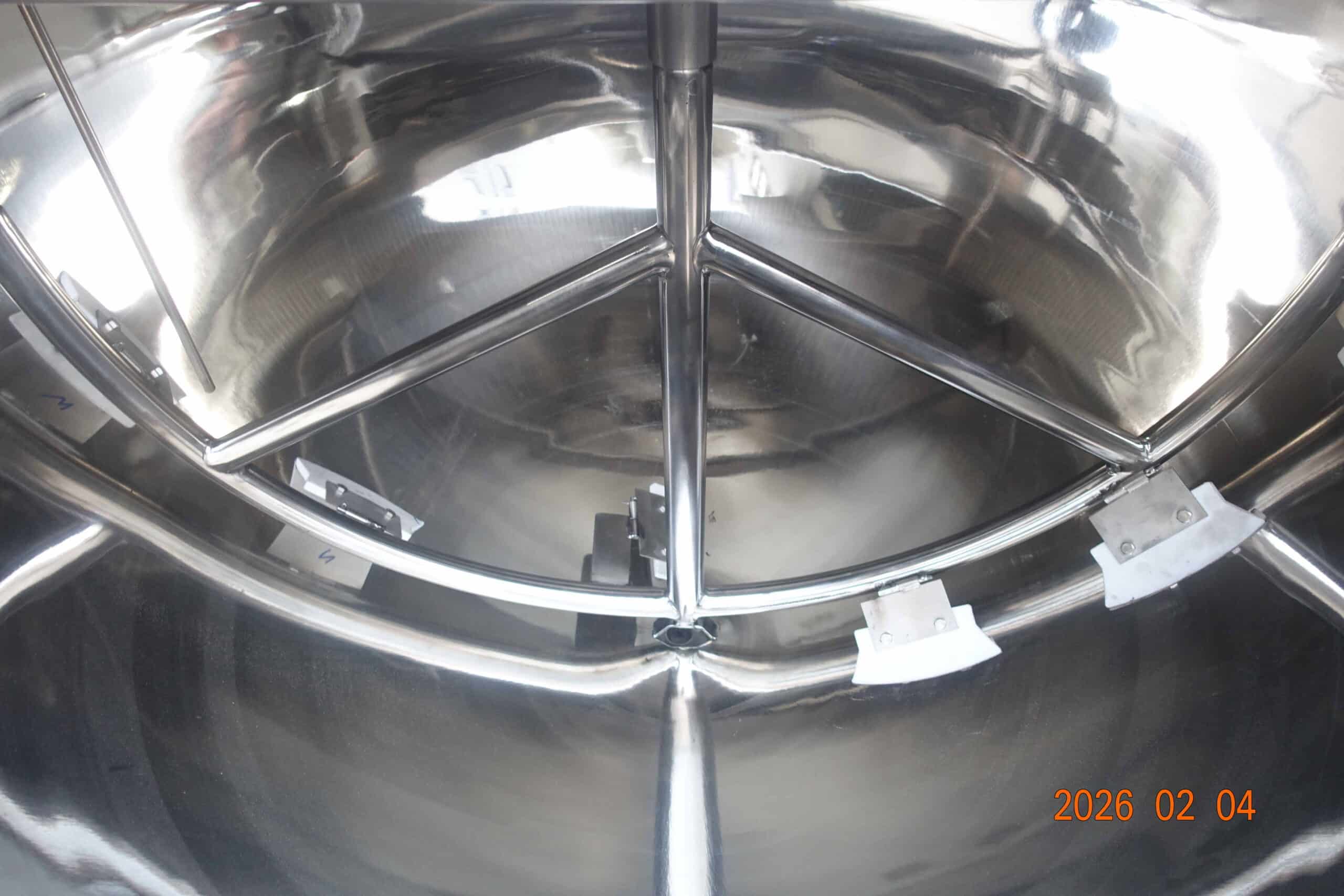
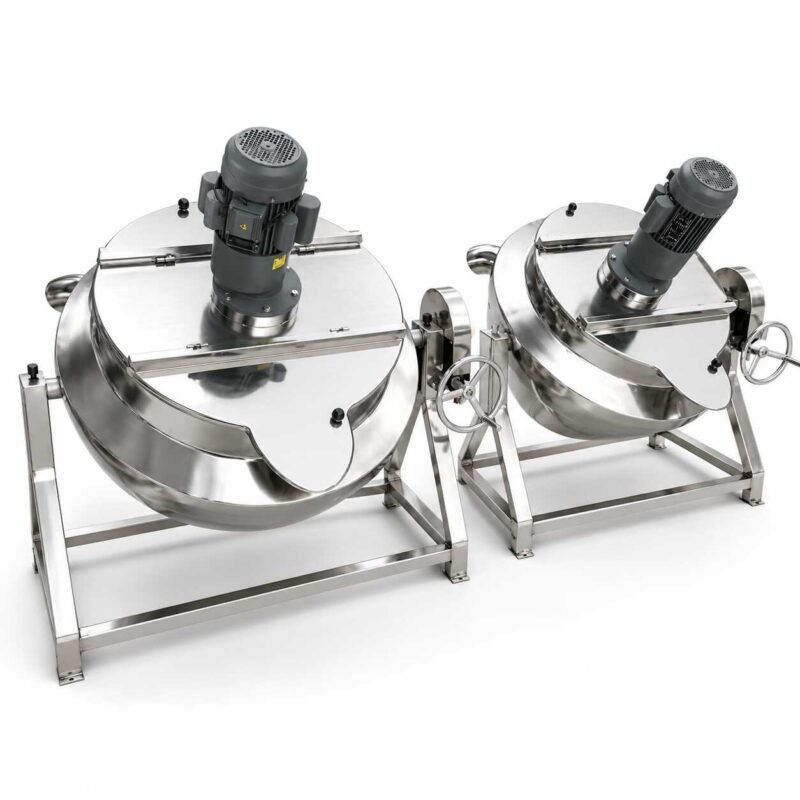
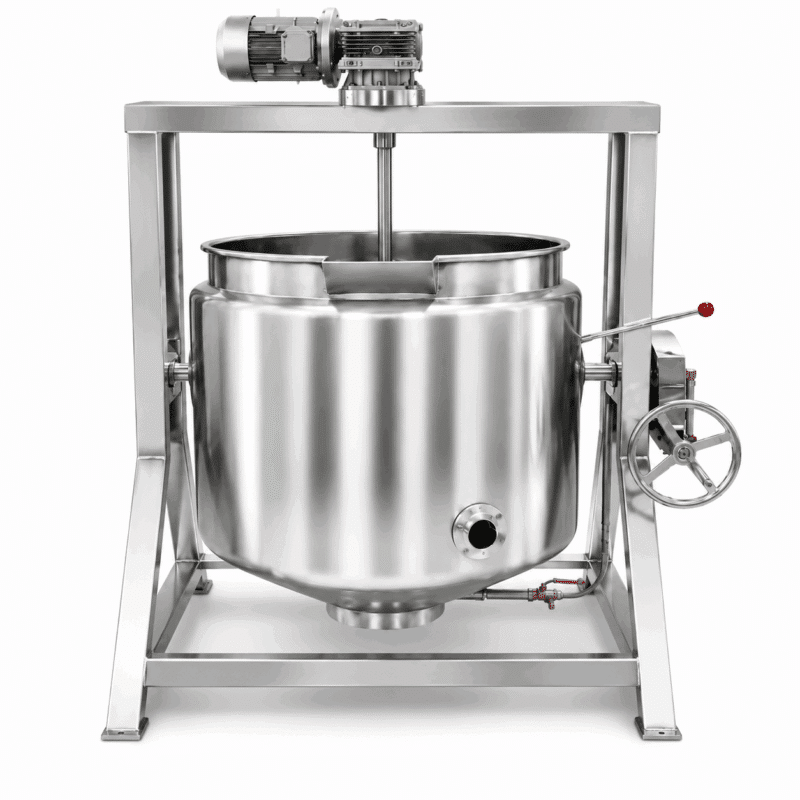
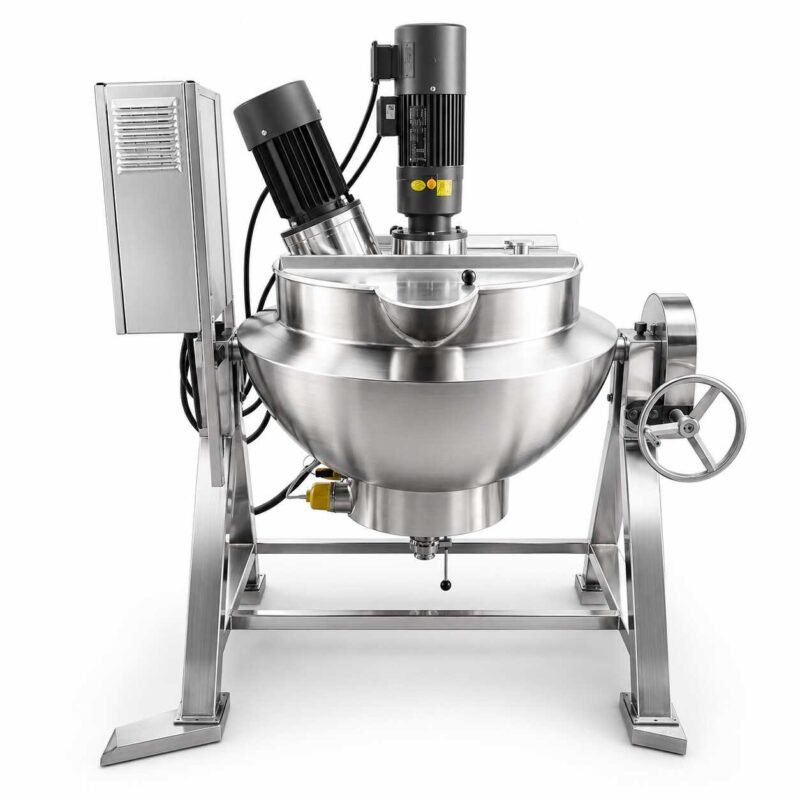
A 900-liter kettle normally requires mechanical agitation when processing viscous products. The most commonly used configurations include anchor-type agitators, paddles, or mixers with side scrapers.
Scrapers are important.
Especially in processes with sugar or protein, where the product tends to adhere to the internal walls.
Bottoms and geometry
Hemispherical bottoms improve thermal circulation and facilitate complete draining. Although they are more expensive to manufacture, they usually reduce cleaning times and minimize product buildup.
On the other hand, flat bottoms simplify installation but generate more dead zones during certain processes.
Common operational problems
- Product burns due to poor thermal control.
- Leaks in mechanical seals of the agitator.
- Accumulation of residues in poorly polished internal welds.
- Pressure loss in steam systems.
- Localized corrosion due to aggressive CIP chemicals.
- Misalignment of the agitator shaft after long production cycles.
In practice, many failures do not originate from the main body of the kettle, but from poorly selected auxiliary components: economical valves, oversized motors, or low-quality thermal sensors.
Maintenance and cleaning
Preventive maintenance has more impact on service life than the thickness of the stainless steel. A properly maintained kettle can operate for many years even under intensive use.
Critical maintenance points
- Periodic inspection of sanitary welds
- Inspection of seals and gaskets
- Complete cleaning of thermal jackets
- Control of scale deposits in steam lines
- Lubrication of gearboxes and agitator motors
- Verification of temperature sensors
A common mistake is to use overly aggressive cleaning products thinking they will improve hygiene. In reality, incorrect chloride concentrations can even deteriorate 316L stainless steel.
Considerations before purchasing
The nominal capacity should not be the main criterion. It is more important to analyze:
- Type of processed product
- Viscosity during heating
- Available energy source
- Production frequency
- Required cleaning system
- Expected level of automation
It is also advisable to review the actual internal finish of the tank. Some manufacturers advertise sanitary finishes, but practical inspection reveals rough welds or areas difficult to clean.
This ultimately affects production, hygiene, and downtime.