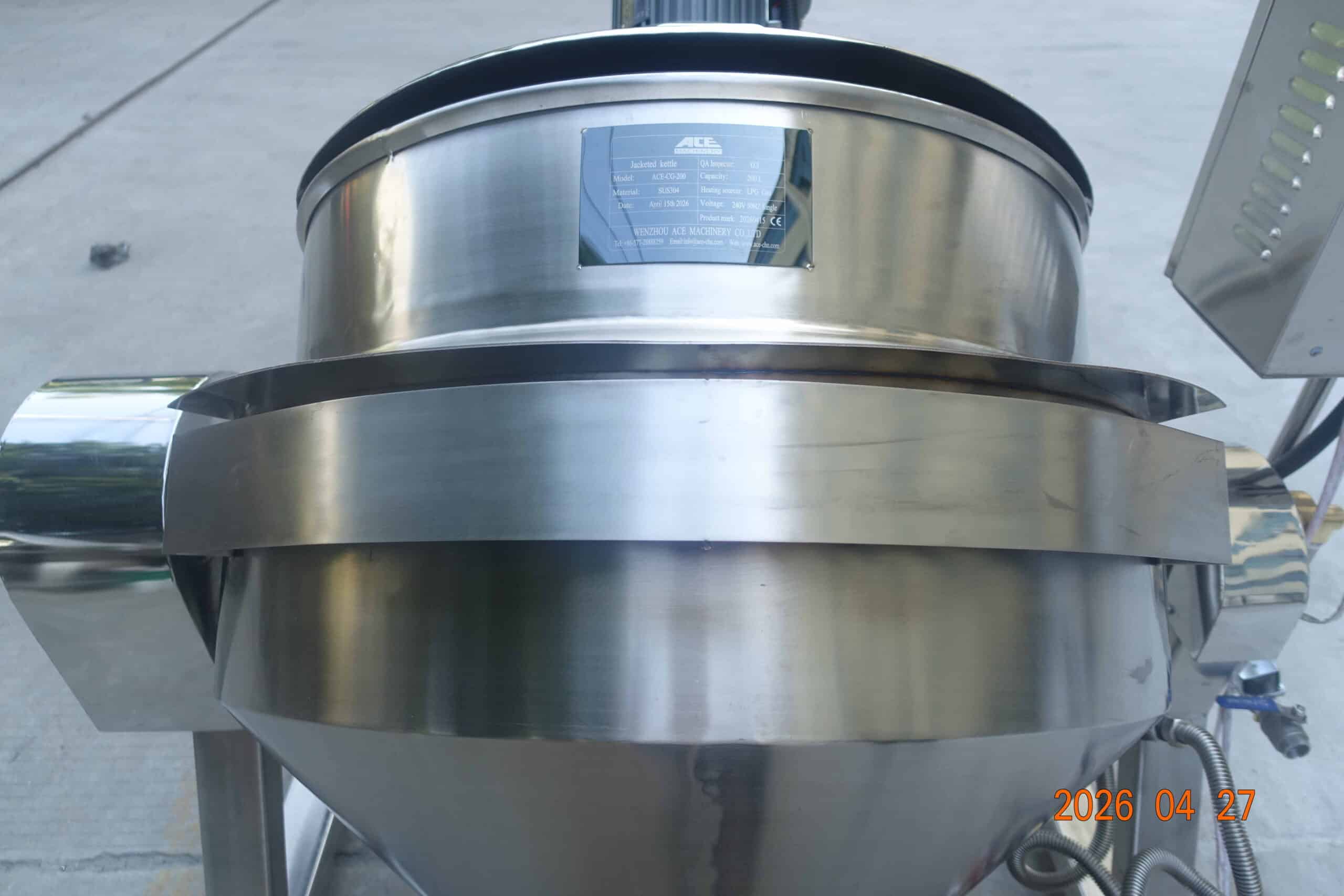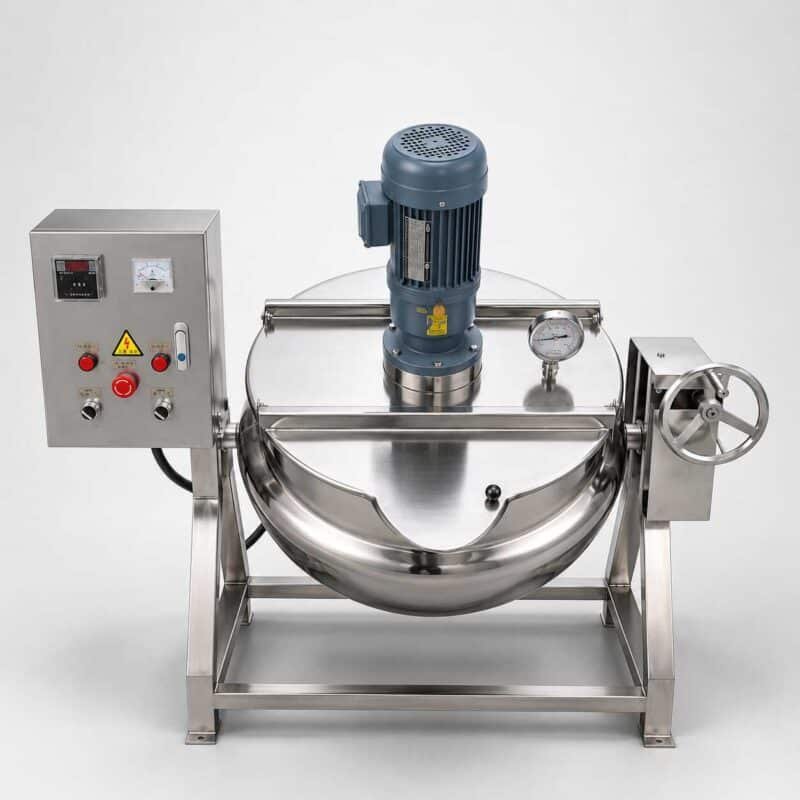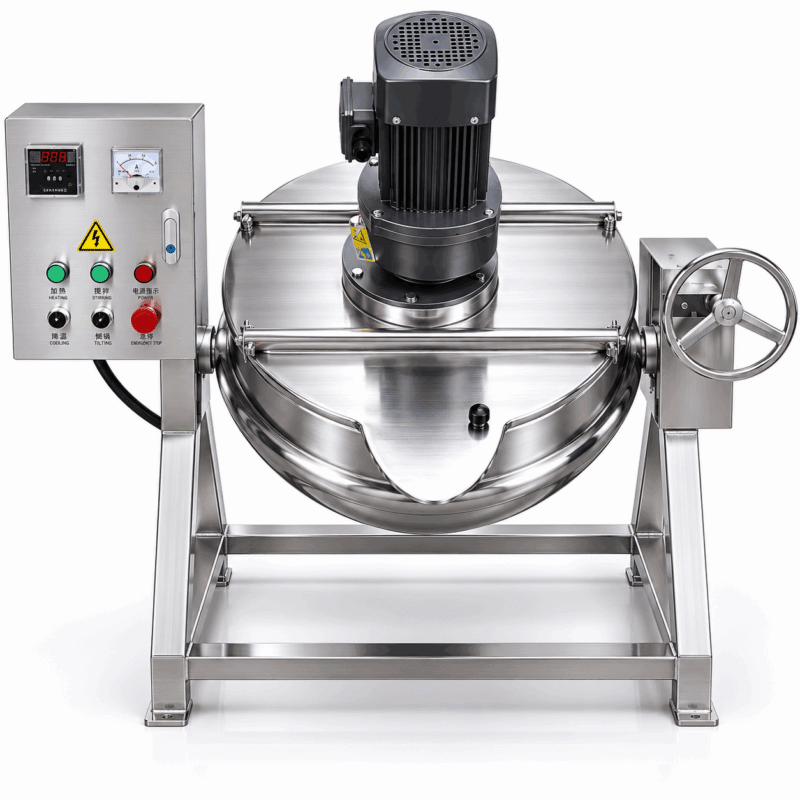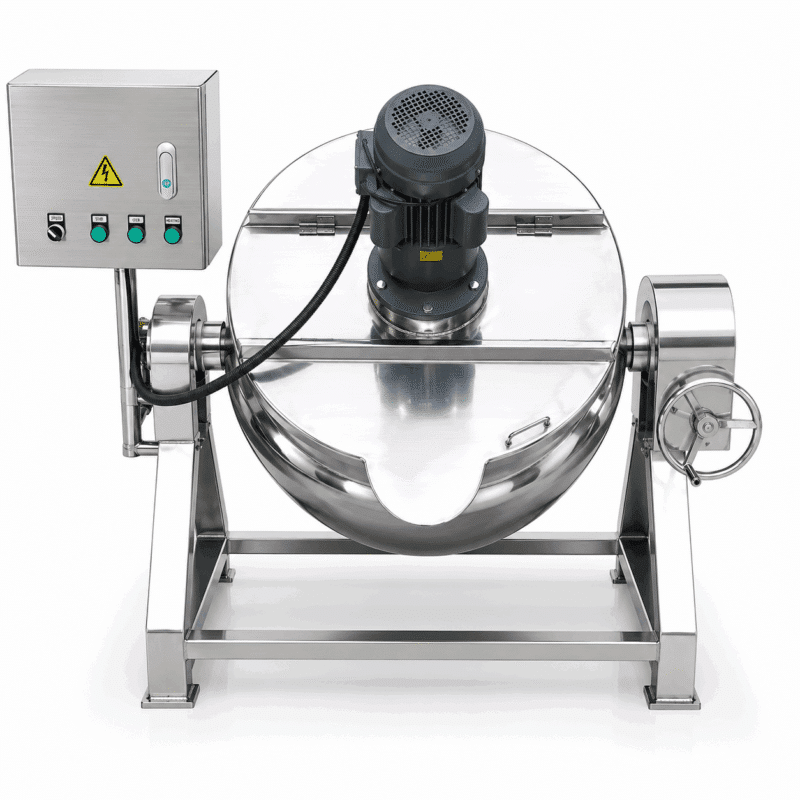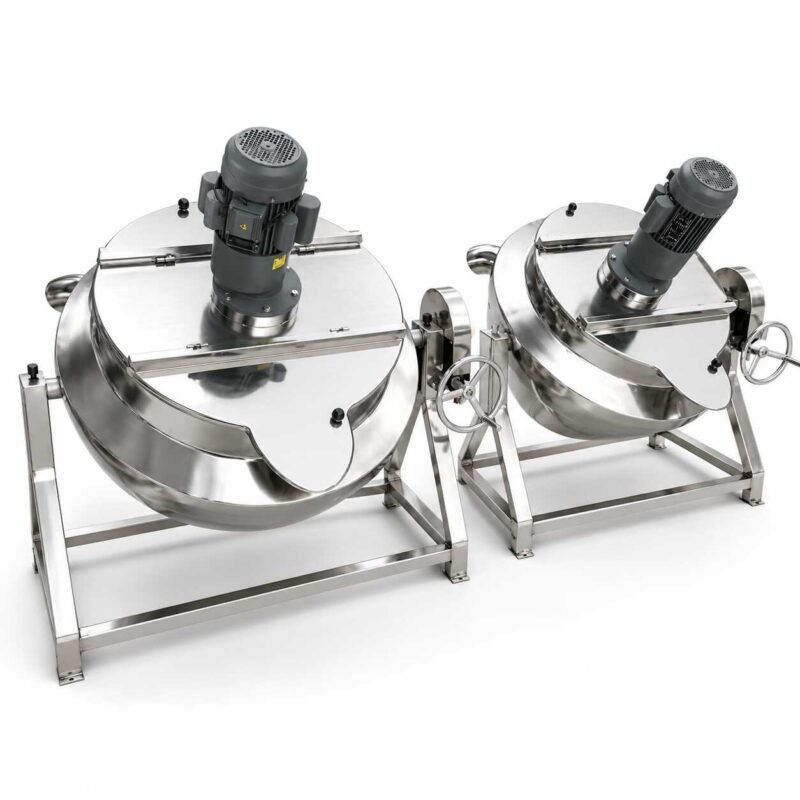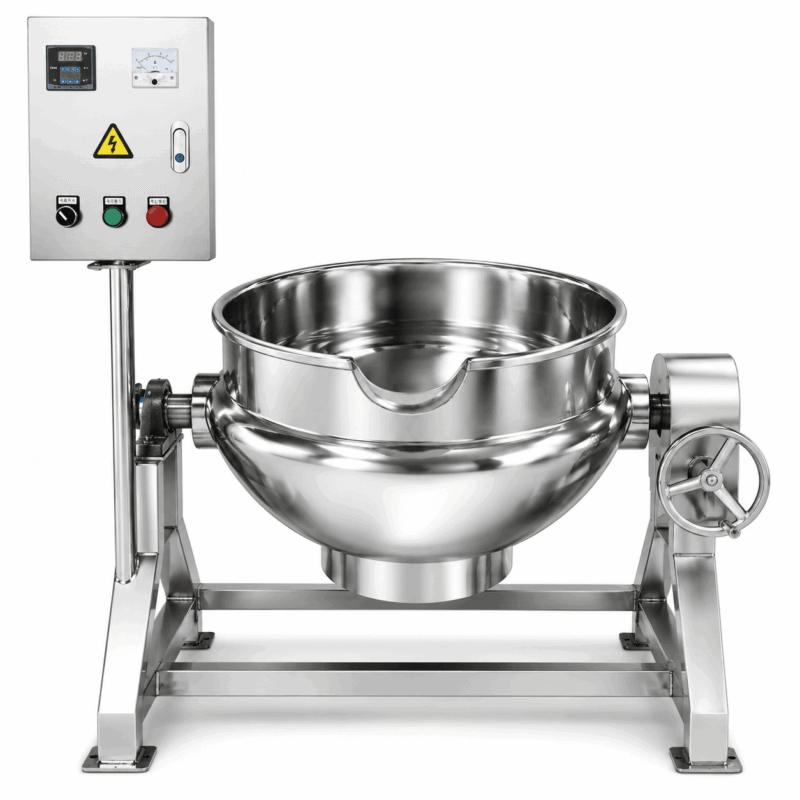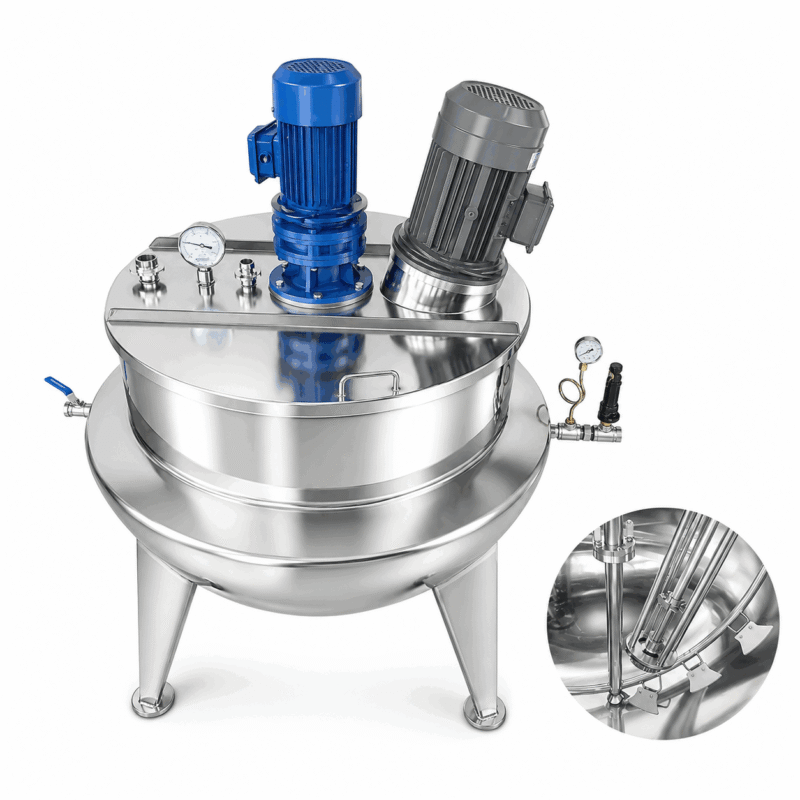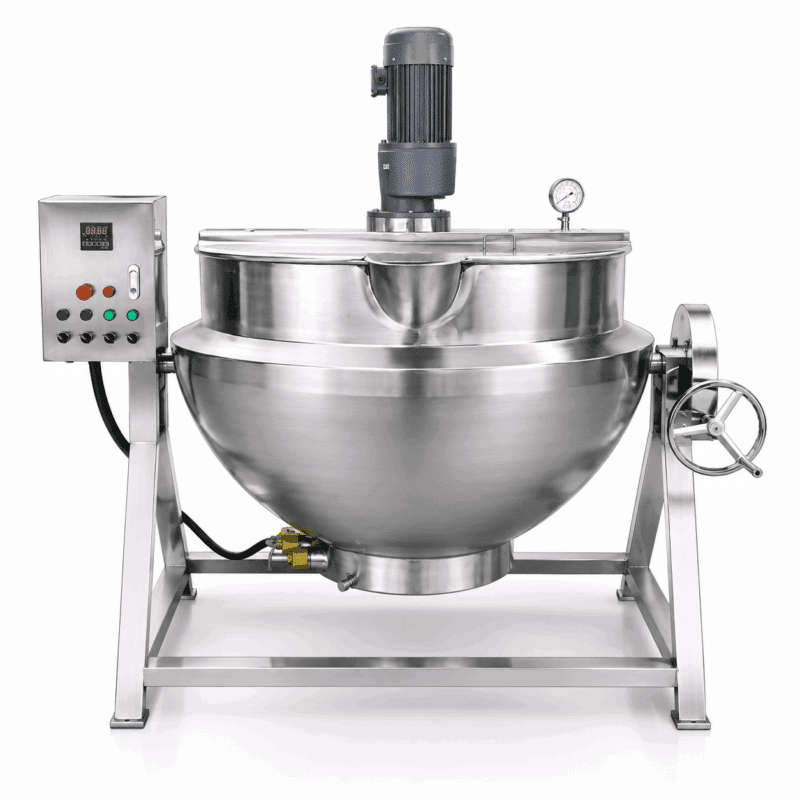
industrial kettle 200 liters
industrial kettle 200 liters Price range: $2,185.00 through $2,450.00
Back to products
900-liter stainless steel kettles
900-liter stainless steel kettles Price range: $3,864.00 through $4,450.00
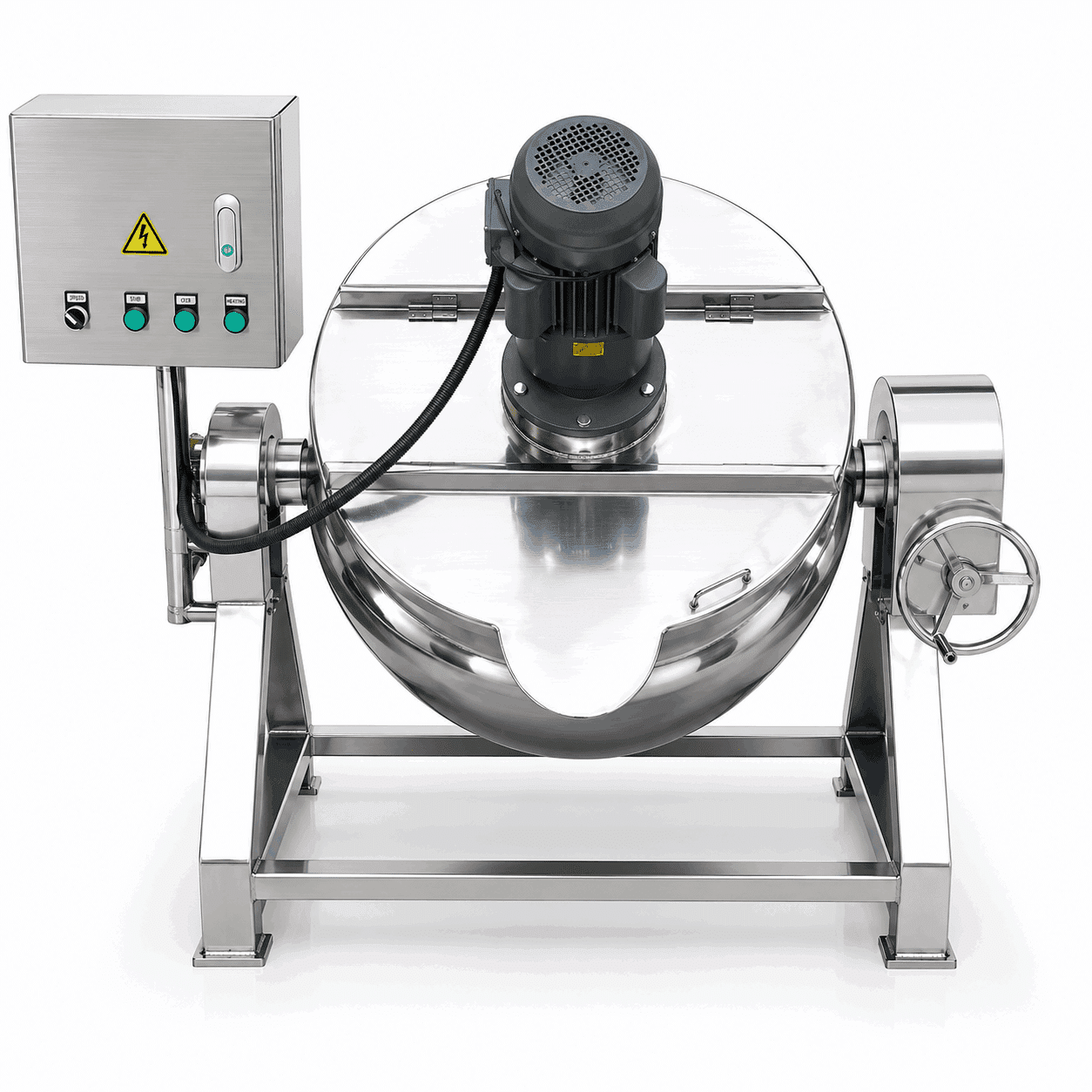
Gas industrial kettle 200 liters

Price range: $2,400.00 through $2,688.00

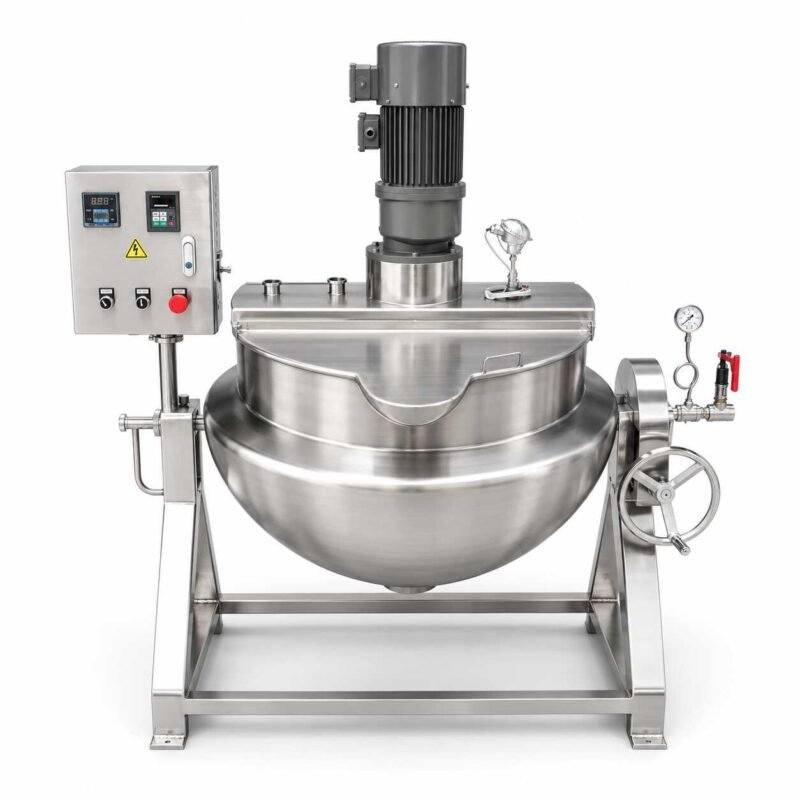
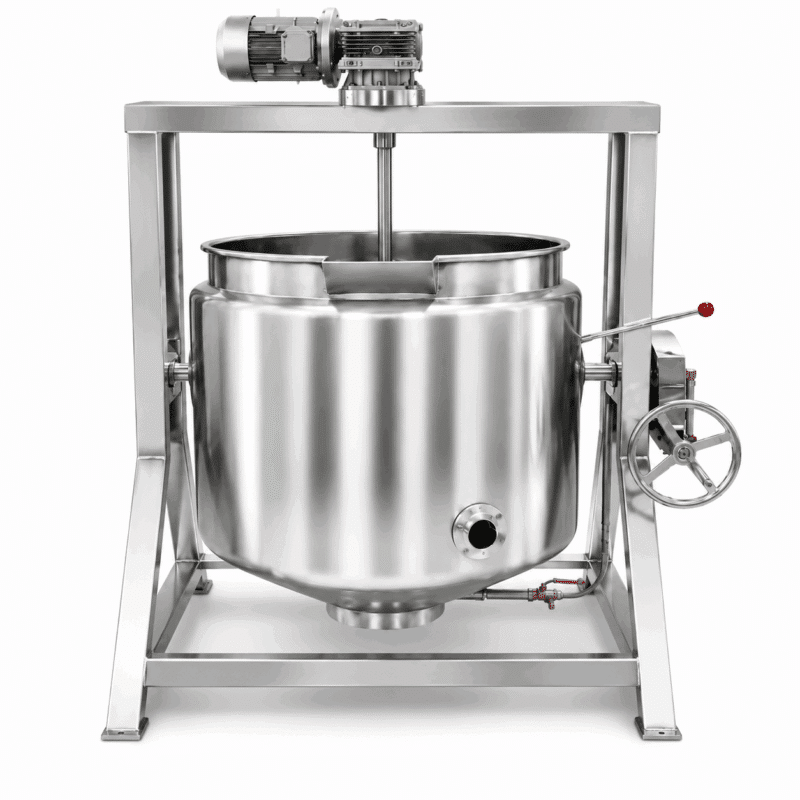
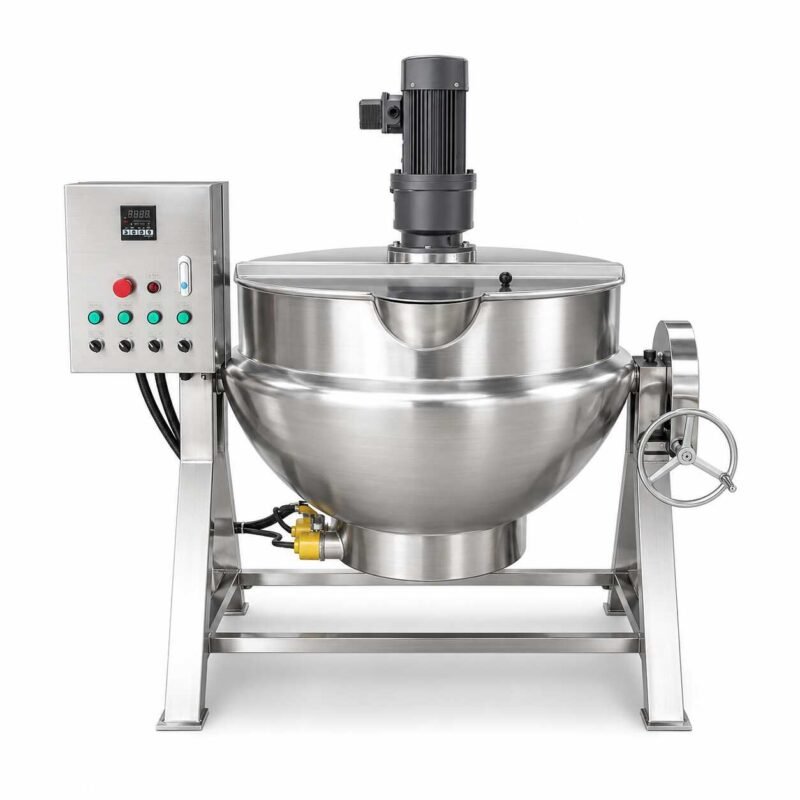
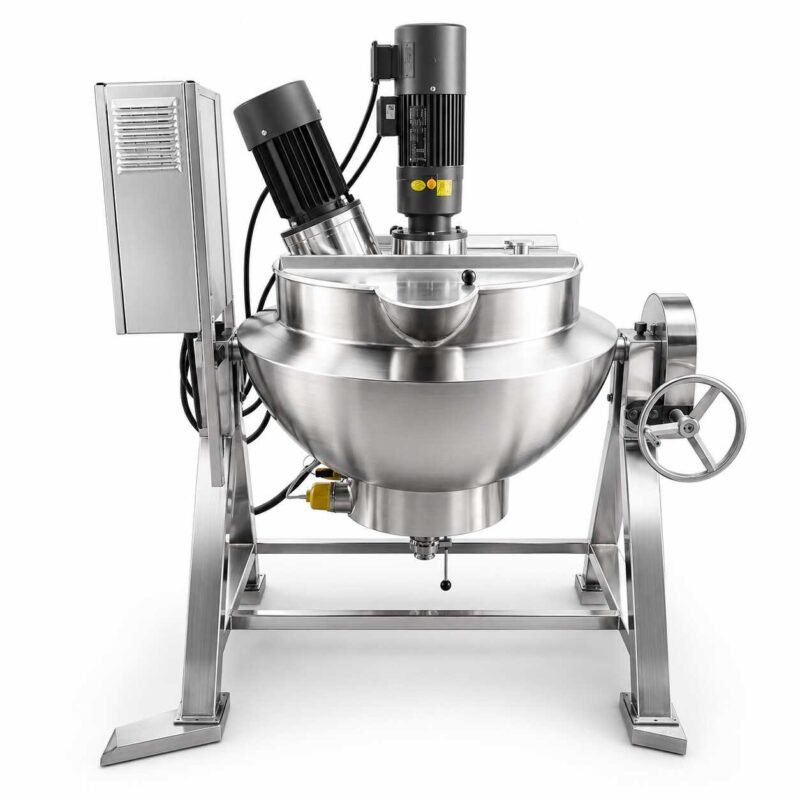
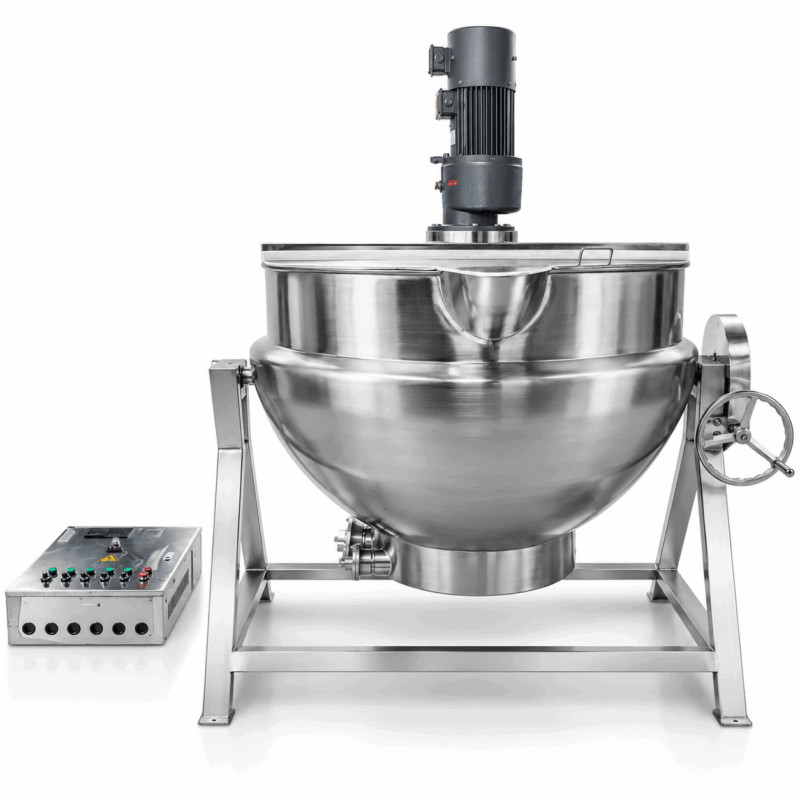
Equipment designed for cooking, mixing, and heating products in processes where volume, thermal stability, and continuous operation are required. A 200-liter gas kettle is well-suited for food plants, central kitchens, sauce production, dairy products, jams, broths, creams, syrups, and preparations with medium viscosity.

  • Voltage: 220 V, 60 Hz, or custom
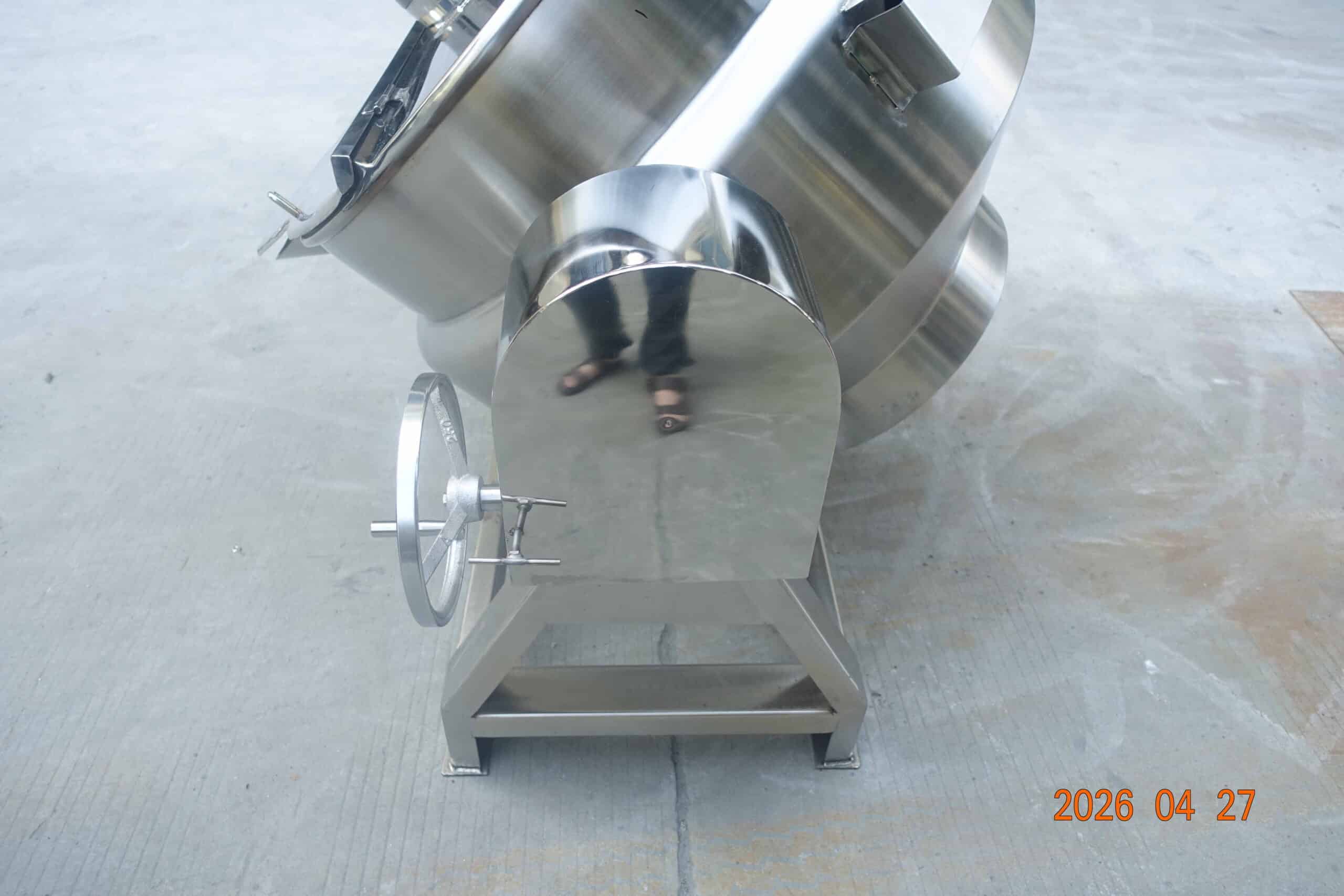
  • Tilting type / vertical type;
  • With agitator / without agitator;
  • Heating by steam, electricity, or gas
  • We offer shipping service to the following countries: Mexico, Spain, United States, Argentina, Colombia, Chile, Peru, Venezuela, and Brazil
Manufactured in China; we ship it from China to your country or region.

Request a quote

Sanitary construction in stainless steel

Manufacture in 304 stainless steel is suitable for most food applications. When the product contains high acidity, elevated salinity, or more aggressive cleaning agents, it is advisable to specify 316L stainless steel, especially in areas of direct contact with the product.

Details that matter in the plant

  • Polished internal surfaces to reduce adherence and facilitate cleaning.
  • Robust design for repeated heating and cooling cycles.
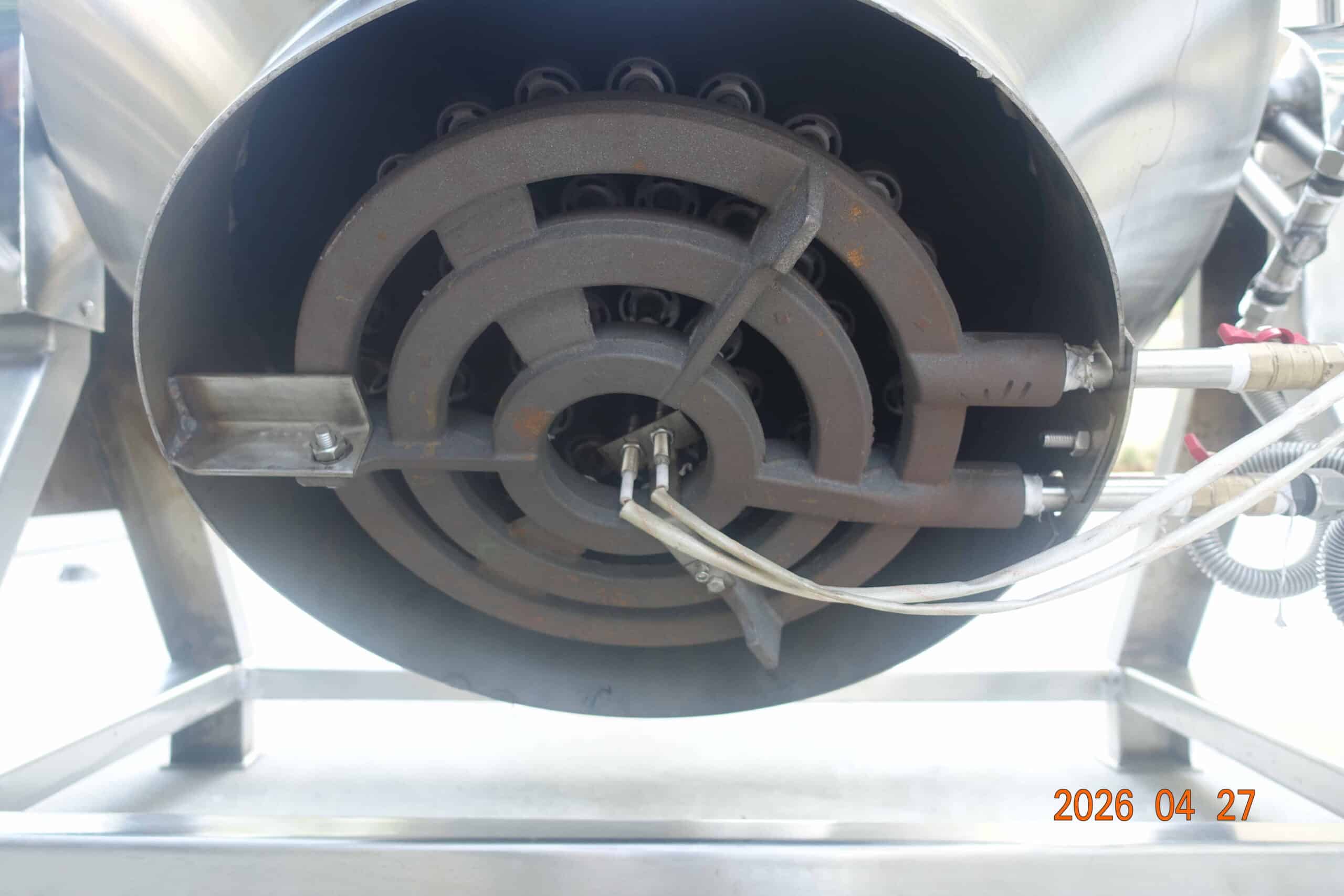
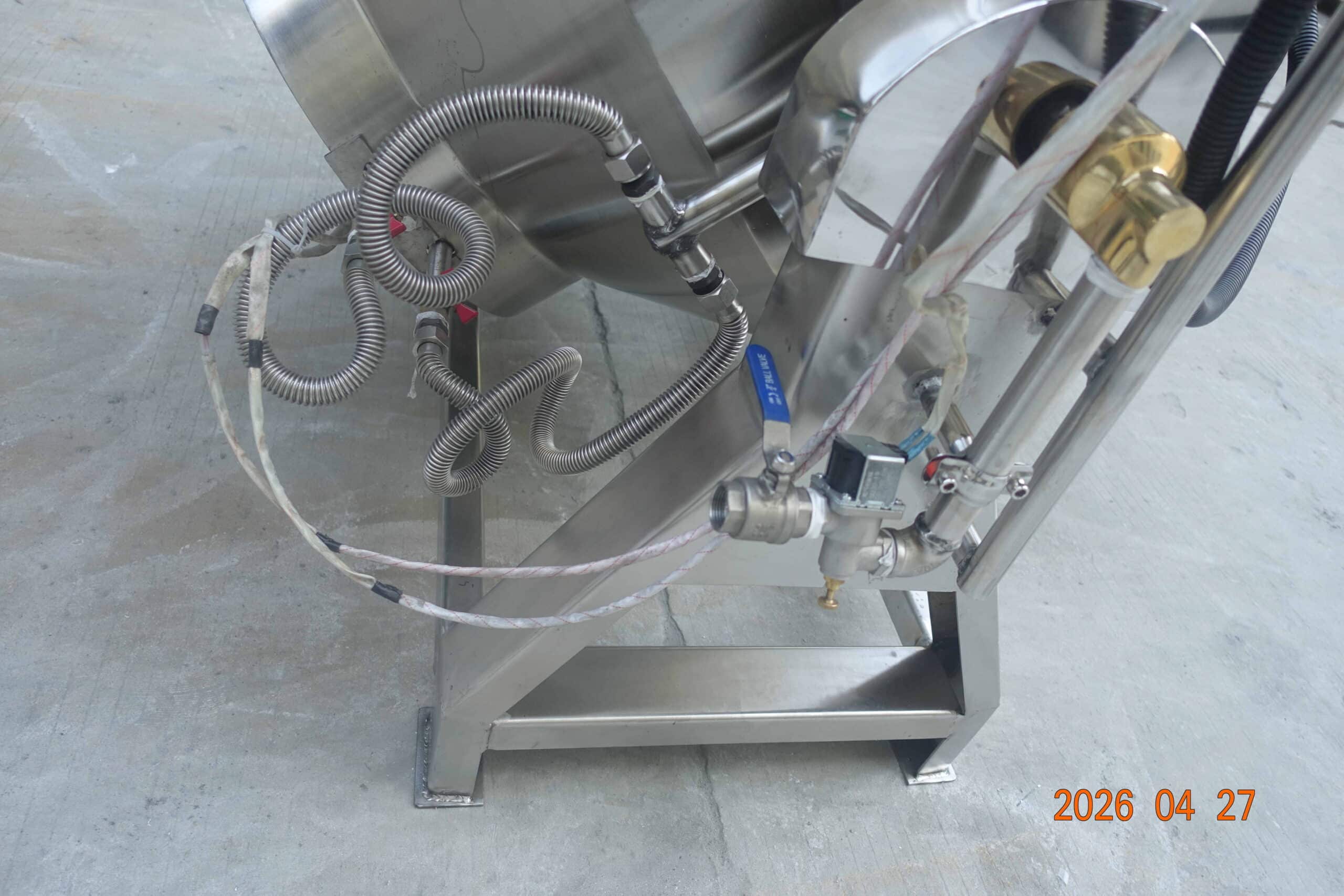
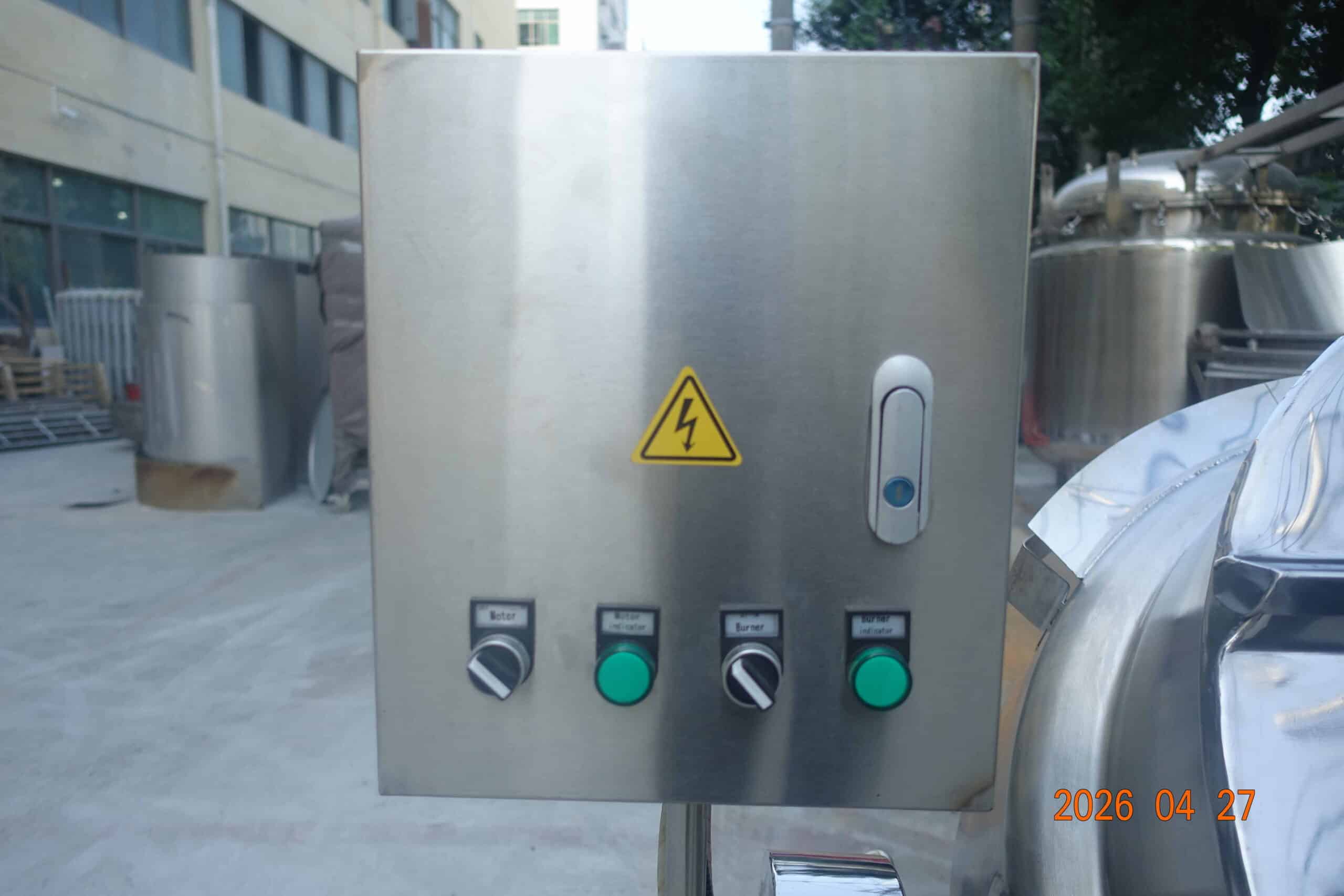
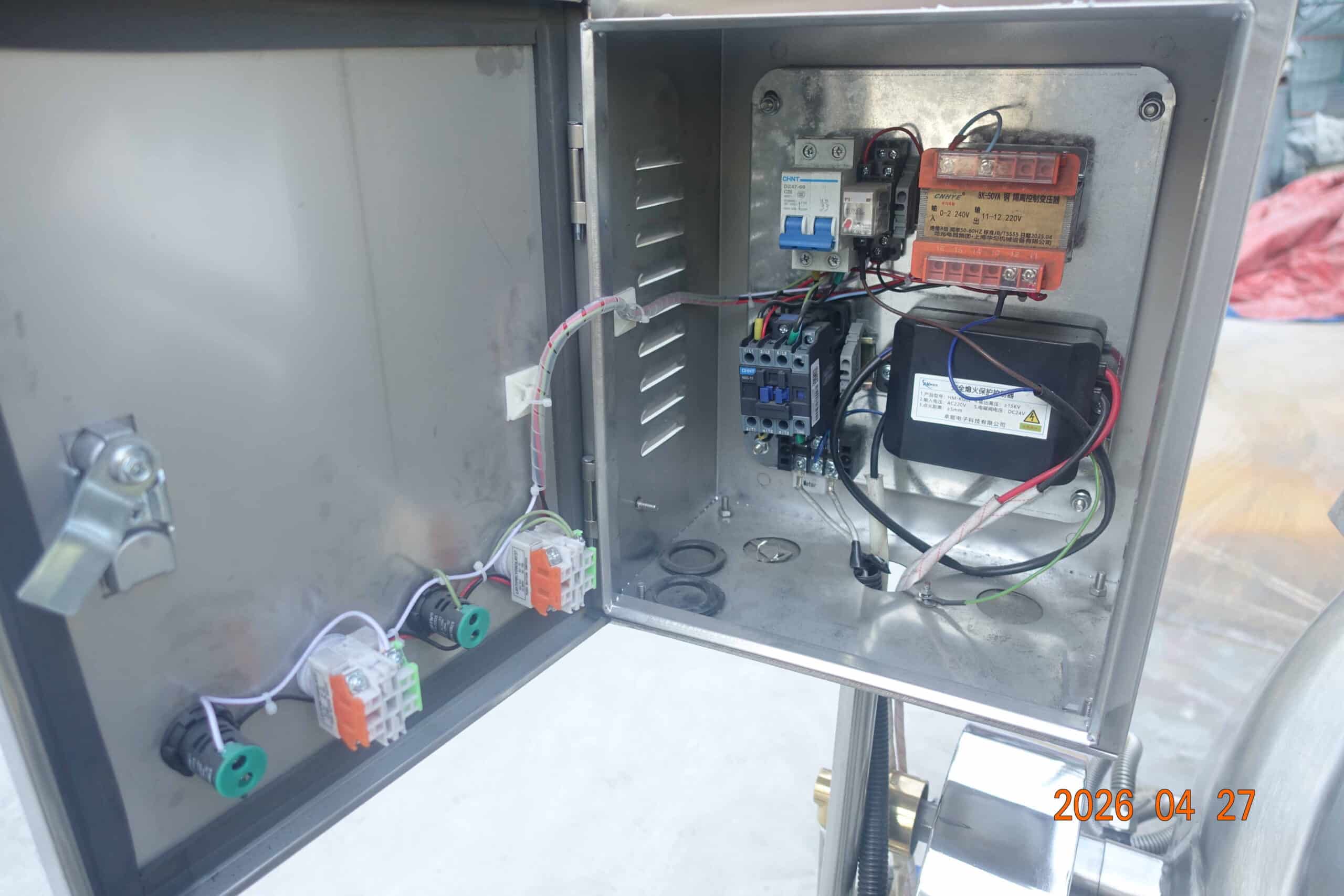
  • Natural gas or LPG burner, depending on plant availability.
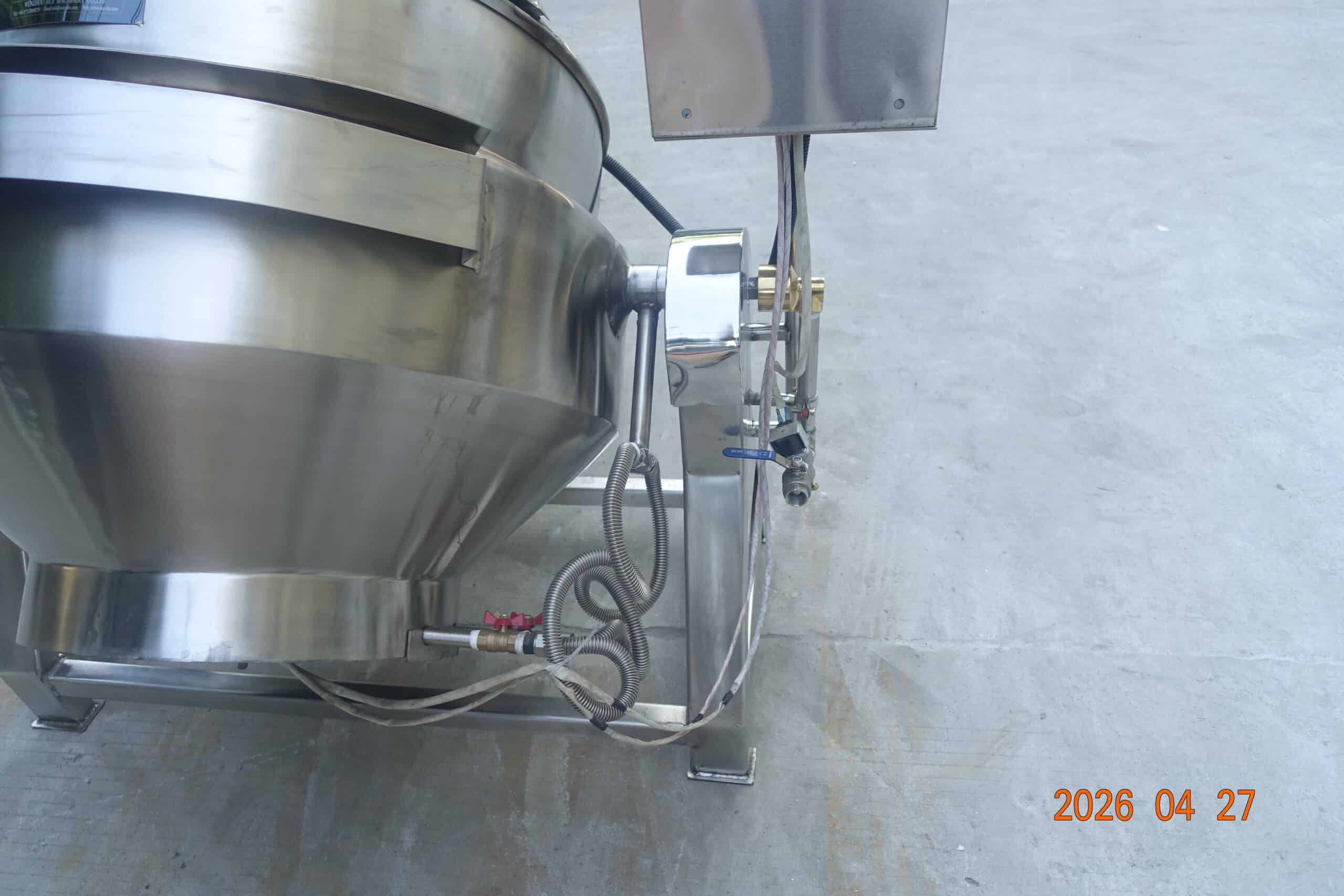
  • Bottom discharge valve for faster and controlled emptying.
  • Lid, structure, and accessories designed for industrial use, not extended domestic use.

Common applications

In factories, this type of kettle is used when the batch is no longer small but operational flexibility is still required. It is commonly seen in processing lines for prepared foods, industrial catering, preserves, sweets, culinary bases, and semi-prepared products.

Typical products

  • Tomato sauces, béchamel, stocks, and concentrated broths.
  • Jams, syrups, and sugary mixtures.
  • Flavored milk, base yogurt, and controlled dairy preparations.
  • Pastas, creams, fillings, and products with suspended solids.

Thermal performance and selection criteria

Gas offers a quick response and is often more economical than electricity in many plants. In exchange, it requires good ventilation, proper installation, flame control, and burner maintenance. This is not a minor detail.

Buyers often focus only on the 200 liters. In practice, the useful capacity may be less depending on the product, foam formation, viscosity, and agitation needs. For products that boil or expand, operating at the nominal volume limit often causes spills, losses, and unnecessary cleaning.

Engineering trade-offs

  1. More power accelerates heating but increases the risk of burning if there is no proper agitation.
  2. 316L steel improves chemical resistance, although it raises the initial cost.
  3. A large discharge reduces emptying times but requires good control for fluid products.
  4. Direct heating is efficient, although less uniform than systems with steam or thermal oil jackets.

Common operational problems

The most frequent failures do not come from the tank but from operation: poorly regulated flame, carbonized residues at the bottom, incomplete valve cleaning, overloading, or use of overly viscous products without adequate agitator.

It is also common to underestimate the quality of the available gas. Unstable pressure means uneven cooking. And an industrial kettle does not correct a poor installation.

Maintenance and service life

After each batch, it is advisable to clean while the equipment is still warm, without letting solids dry on the surface. The gaskets, discharge valve, and combustion system should be routinely checked. A dirty burner consumes more, heats less effectively, and ultimately affects process repeatability.

Practical recommendations

  • Do not use carbon steel brushes on stainless surfaces.
  • Periodically check for gas leaks and the condition of connections.
  • Avoid unnecessary thermal shocks during washing.
  • Record heating times by product to detect efficiency losses.

What the buyer should review

A good 200-liter kettle is not purchased solely based on capacity and price. One must review the type of steel, thickness, internal finish, discharge system, compatibility with available gas, ease of cleaning, and technical support. In real production, these points weigh more than an attractive commercial specification.

Properly specified, a 200-liter gas industrial kettle can be a reliable, versatile, and cost-effective piece of equipment. Poorly selected, it becomes a bottleneck difficult to justify.